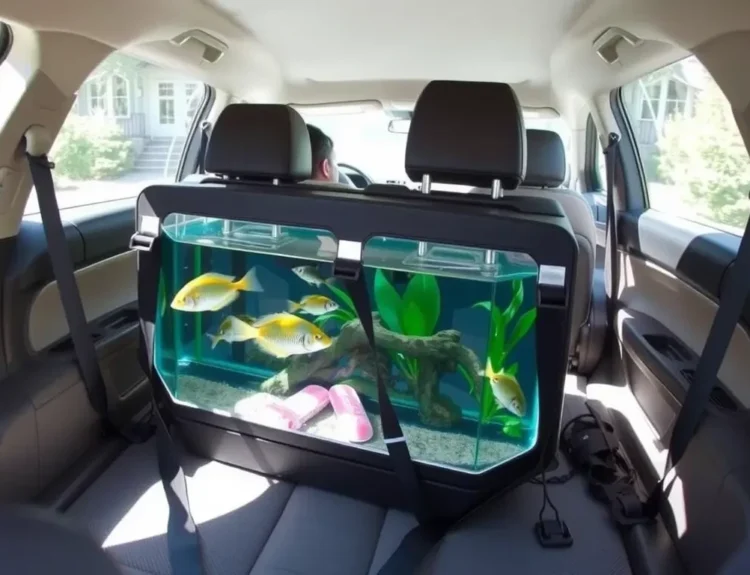
Transporting aquarium fish over long distances requires careful planning and execution to ensure the health and safety of the fish. Whether you are moving to a new home or transporting fish for breeding or sale, understanding the key factors involved in fish transport is crucial. This guide will cover essential considerations such as oxygen supply, water temperature, stress reduction, and more.
Preparation for Fish Transport
Before embarking on your journey, it’s vital to prepare your fish and their temporary transport environment.
Assess Fish Health
Ensure your aquarium fish are in good health prior to travel. Sick or stressed fish are more vulnerable during transit. Observe their behavior and appearance for any signs of illness.
Gather Necessary Supplies
Prepare all the supplies you will need for long-distance travel:
- Fish bags: Use sturdy, leak-proof bags designed for transporting fish. Double bagging is recommended to prevent leaks.
- Portable aerator: To maintain a steady oxygen supply, especially for long trips.
- Secure containers: Use insulated containers or coolers to keep the fish bags stable and maintain water temperature.
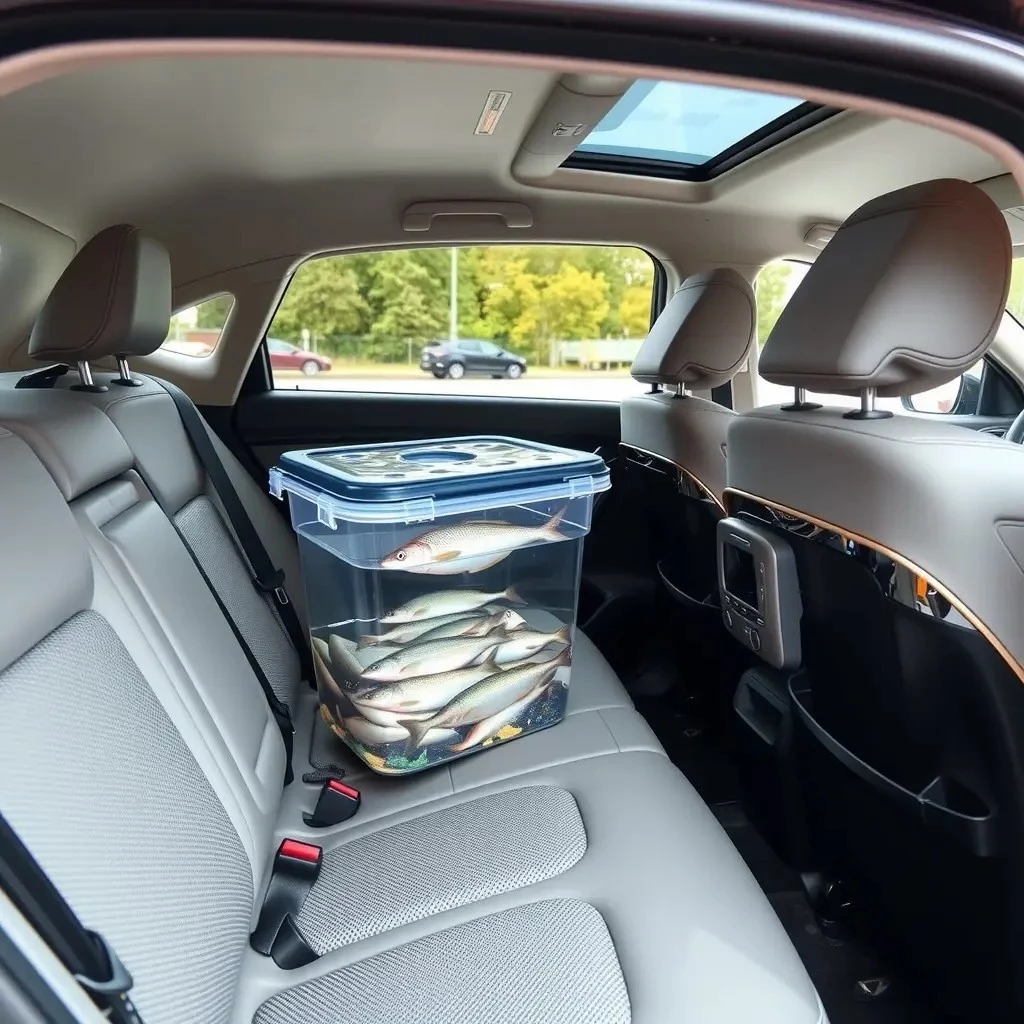
- Bucket method: For larger fish or short distances, consider using a lidded, clean bucket filled with tank water.
Preparing the Fish for Travel
Once you’re ready to begin the journey, take steps to reduce fish stress and maintain their health.
Fast the Fish
Cease feeding your fish 24-48 hours before travel. This reduces waste in the water and decreases ammonia buildup, helping maintain water quality.
Use Proper Packing Techniques
Fill the fish bags with one-third water and two-thirds air. Use oxygen if available, or rely on a portable aerator during transport. Secure the bags and place them in the insulated container.
Insulation and Temperature Control
To maintain a stable water temperature, use insulated containers. Avoid placing containers near heat sources or direct sunlight during the trip.
During the Journey
While on the road, monitor your fish and their environment to ensure their safety.
Minimize Movement
Secure containers in the car to prevent movement. Avoid sudden stops and sharp turns which can cause stress to the fish.
Maintain Oxygen Levels
Check the oxygen levels periodically. For longer trips, stop occasionally to refresh the air in the bags or use the portable aerator.
Monitor Temperature
Keep the car temperature consistent to avoid fluctuations in the water temperature. Use car air conditioning or heating as needed.
Arrival and Acclimation Process
Once you reach your destination, it’s crucial to properly acclimate your fish to their new environment.
Gradual Acclimation
Allow the fish bags to float in the new tank water for about 15-20 minutes. Gradually mix small amounts of the tank water with the water in the fish bags to help the fish acclimate to the new water quality.
Release the Fish
After acclimation, gently release the fish into their new habitat. Avoid pouring the transport water into the tank to prevent any potential contamination.
Successfully transporting fish over long distances in a car requires careful travel preparation and attention to detail. By following these guidelines, you can ensure that your fish remain healthy and stress-free during the journey; Remember, the key to successful fish transport lies in managing stress reduction, maintaining a stable oxygen supply, and ensuring consistent water temperature; With the right equipment and preparation, your fish can safely reach their new home.