The logistics behind transporting Formula 1 (F1) cars and equipment is a complex and fascinating process. In a sport where precision and timing are crucial, ensuring that cars and all related equipment arrive at the circuit on time and in perfect condition is critical to team operations. This article delves into the methods and logistics involved in transporting F1 cars across the globe.
The Challenges of F1 Logistics
Formula 1 is a truly international sport, with races held on nearly every continent. This presents significant logistical challenges, especially given the tight race calendar. Teams must efficiently move not only the cars but also a vast array of equipment, including spare parts, tools, and technology, from one circuit to the next. The efficiency of this transportation process can impact team performance and overall success in the championship.
Modes of Transportation
Transporting F1 cars and equipment involves multiple modes of transportation, each chosen based on factors such as distance, cost, and time constraints. The primary methods include:
- Air Freight: The speed of air freight makes it the preferred choice for international races. Cargo planes are specially chartered to carry the cars and equipment from one country to another. The use of cargo planes ensures that everything arrives quickly and can be set up in time for the race weekend.
- Shipping Containers: For races that are closer together geographically or when time is less of a constraint, teams may use shipping containers. These containers are packed with precision to maximize space and ensure the safety of the cargo during transit.
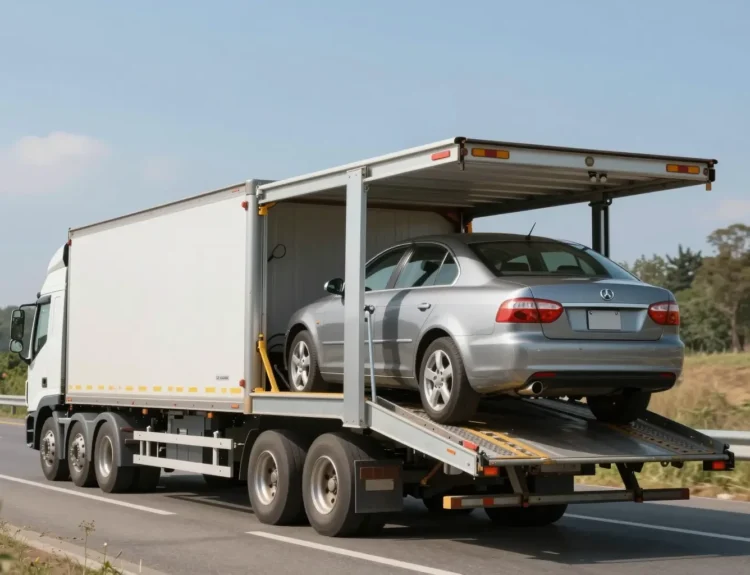
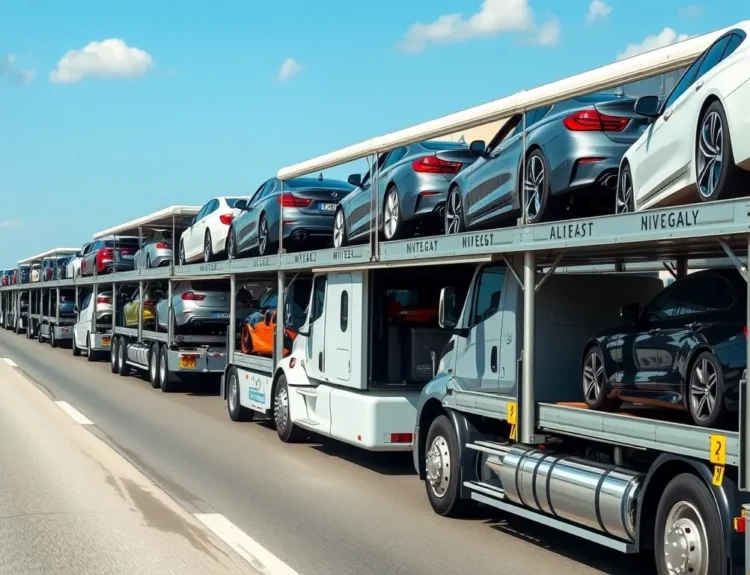
- Road Transport: For races held within the same continent, teams often use specially designed trucks to transport cars and equipment. This method is used extensively throughout the European leg of the race calendar.
Preparation and Packaging
Before any transportation can occur, teams must meticulously prepare and package their cars and equipment. This involves dismantling certain parts of the cars to fit them into the shipping containers or cargo holds of planes. The process requires precision to avoid damage and ensure that everything can be quickly reassembled at the destination.
Packaging plays a crucial role in protecting sensitive equipment. Custom-made crates and cases are used to house delicate components such as engines and electronic systems. Proper packaging also facilitates easier customs clearance, reducing potential delays.
Customs and Regulations
International races necessitate navigating complex customs regulations. Each country has its own set of rules and duties, and teams must ensure compliance to avoid penalties or delays. Teams often work with specialized logistics companies that understand the intricacies of international shipping and can expedite the customs process.
The Role of Freight Costs
Freight costs are a significant part of a team’s budget. Air freight, while fast, is also expensive. Teams must balance cost with the need for speed and reliability. Efficient logistics management can help reduce these costs, allowing more resources to be allocated to car development and other critical areas.
The Paddock Setup and Dismantling
Once the equipment arrives at the circuit, teams face the challenge of setting up their paddock area efficiently. This includes assembling garages, hospitality units, and technical areas. At the end of the race weekend, everything must be dismantled and packed again quickly to move to the next location on the race calendar.
Coordination and Teamwork
The logistics of transporting F1 cars require seamless coordination and teamwork. Each team has dedicated logistics personnel who work closely with freight companies and other stakeholders to ensure smooth transportation. This coordination extends to the travel schedule of the team members, who often arrive at the circuit ahead of the equipment to prepare for the race.
The transportation of F1 cars is a testament to the sport’s complexity and the high level of organization required to compete at the highest level. From air freight and shipping containers to customs and packaging, every aspect of logistics is meticulously planned to ensure the cars and equipment are ready for action. As the race calendar continues to expand, the efficiency and effectiveness of these logistics operations become even more critical to the success of the teams.