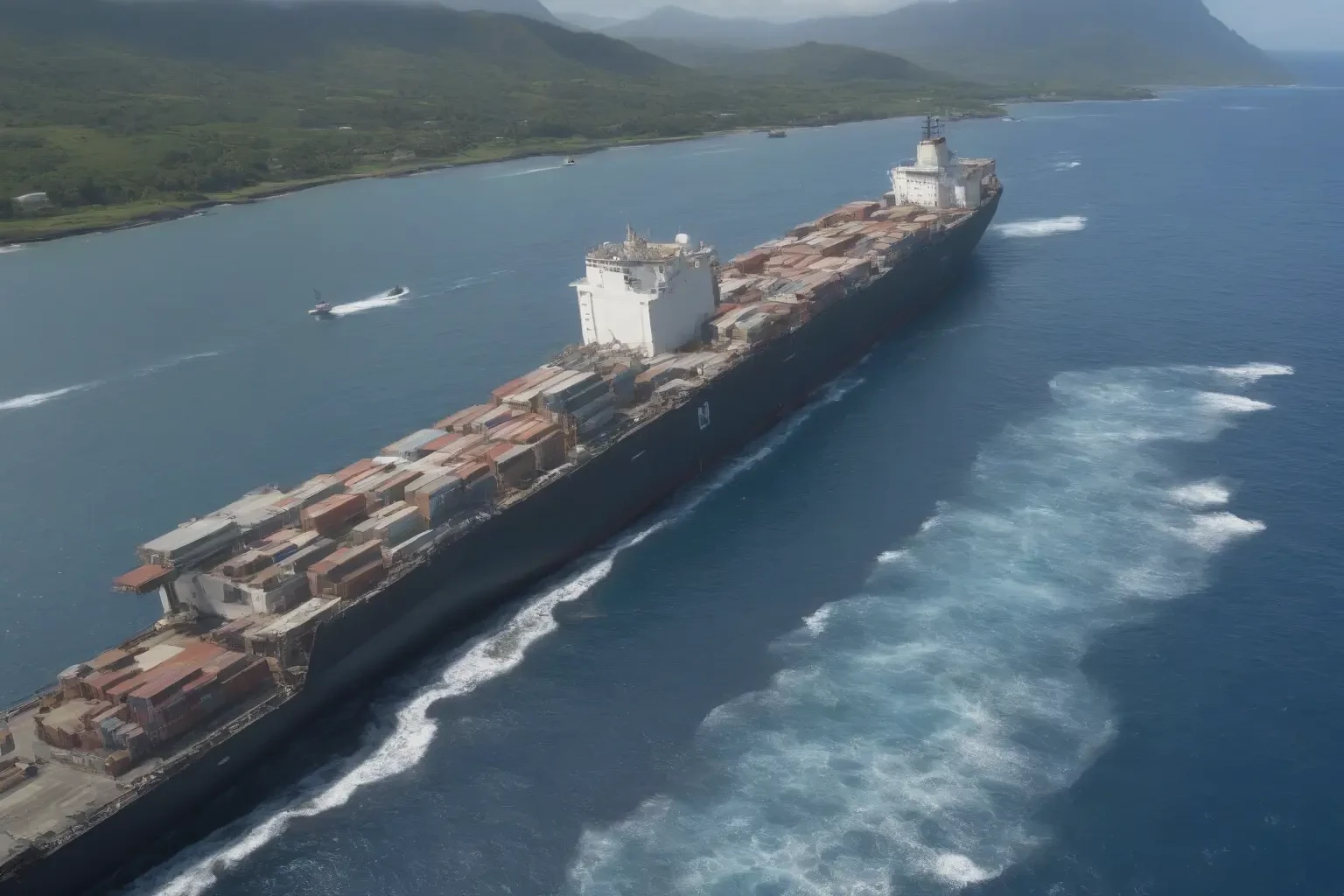
Transporting a vehicle to Hawaii involves a unique set of challenges and considerations․ Whether you’re relocating‚ selling a car‚ or simply need to transport a vehicle‚ understanding the logistics of shipping a car across the ocean is critical․ This guide will walk you through the key aspects of shipping a car to Hawaii‚ covering everything from selecting a car carrier to understanding import regulations․
Choosing a Shipping Method
When it comes to transporting a car to Hawaii‚ there are several shipping options to consider:
- Car Carrier: This method involves using a specialized car carrier to transport your vehicle․ It’s a popular choice due to its efficiency and relative cost-effectiveness․
- Container Service: Your car is loaded into a container‚ providing additional protection against the elements during ocean shipping․
- Roll-on/Roll-off (RoRo) Service: The vehicle is driven onto the ship and secured for transit․ This is often the most affordable option but offers less protection than container service․
Understanding Costs
The costs of shipping a car to Hawaii can vary widely based on several factors:
- Distance: The further the mainland port from which the car is shipped‚ the higher the cost․
- Shipping Method: Container service tends to be more expensive than RoRo due to additional protections․
- Vehicle Size: Larger vehicles typically incur higher shipping fees․
- Seasonality: Prices can fluctuate based on demand throughout the year․
Working with a Shipping Company
Selecting a reliable shipping company is crucial for a smooth transport process․ Consider the following when choosing a company:
- Experience: Look for companies with extensive experience in maritime auto transportation․
- Insurance: Ensure the company offers comprehensive insurance coverage to protect your vehicle during transit․
- Reputation: Research customer reviews and ratings to assess reliability and customer satisfaction․
- Route: Confirm that the company services the specific route from your mainland location to Hawaii․
Logistics and Scheduling
Efficient scheduling and logistics planning are crucial for timely delivery․ Consider the following:
- Booking in Advance: Schedule your shipping well ahead of your planned move to secure your desired dates․
- Transit Time: Ocean shipping can take several weeks‚ so plan accordingly․
- Delivery Coordination: Coordinate with the shipping company for pickup and delivery times at both the mainland port and the Hawaiian island․
Understanding Import Regulations
Transporting a vehicle to Hawaii involves adherence to specific import regulations:
- Vehicle Registration: You must register your vehicle in Hawaii once it arrives․ Ensure you have all necessary paperwork and documentation․
- Customs Clearance: Your vehicle must clear customs before it can be released․ This involves submitting the required documents and applicable fees․
Insurance and Protection
Insurance is a critical component of the shipping process․ Here are some tips:
- Verify Coverage: Confirm that your existing auto insurance policy covers ocean shipping․ If not‚ purchase additional coverage from the shipping company․
- Inspect Your Vehicle: Thoroughly inspect your car before and after shipping to document any pre-existing damage․
Transporting a car to Hawaii involves careful planning and consideration of various factors such as shipping methods‚ costs‚ and import regulations․ By selecting a reputable shipping company and understanding the logistics involved‚ you can ensure a smooth and successful transition of your vehicle to the Hawaiian islands․
Whether you’re moving permanently or temporarily‚ shipping your vehicle across the ocean is a manageable task with the right preparation and resources․ Consider all aspects‚ from the initial scheduling to final delivery‚ to ensure a seamless experience․