Transporting a kayak can be a daunting task for those new to the sport, but with the right equipment and techniques, it can be done safely and efficiently. This article will guide you through the process of transporting a kayak with a car, ensuring that you arrive at your destination ready to paddle.
Understanding Your Options
There are several methods to transport a kayak using a car. The choice depends on your vehicle type and personal preference. Here are the most common options:
Roof Rack Systems
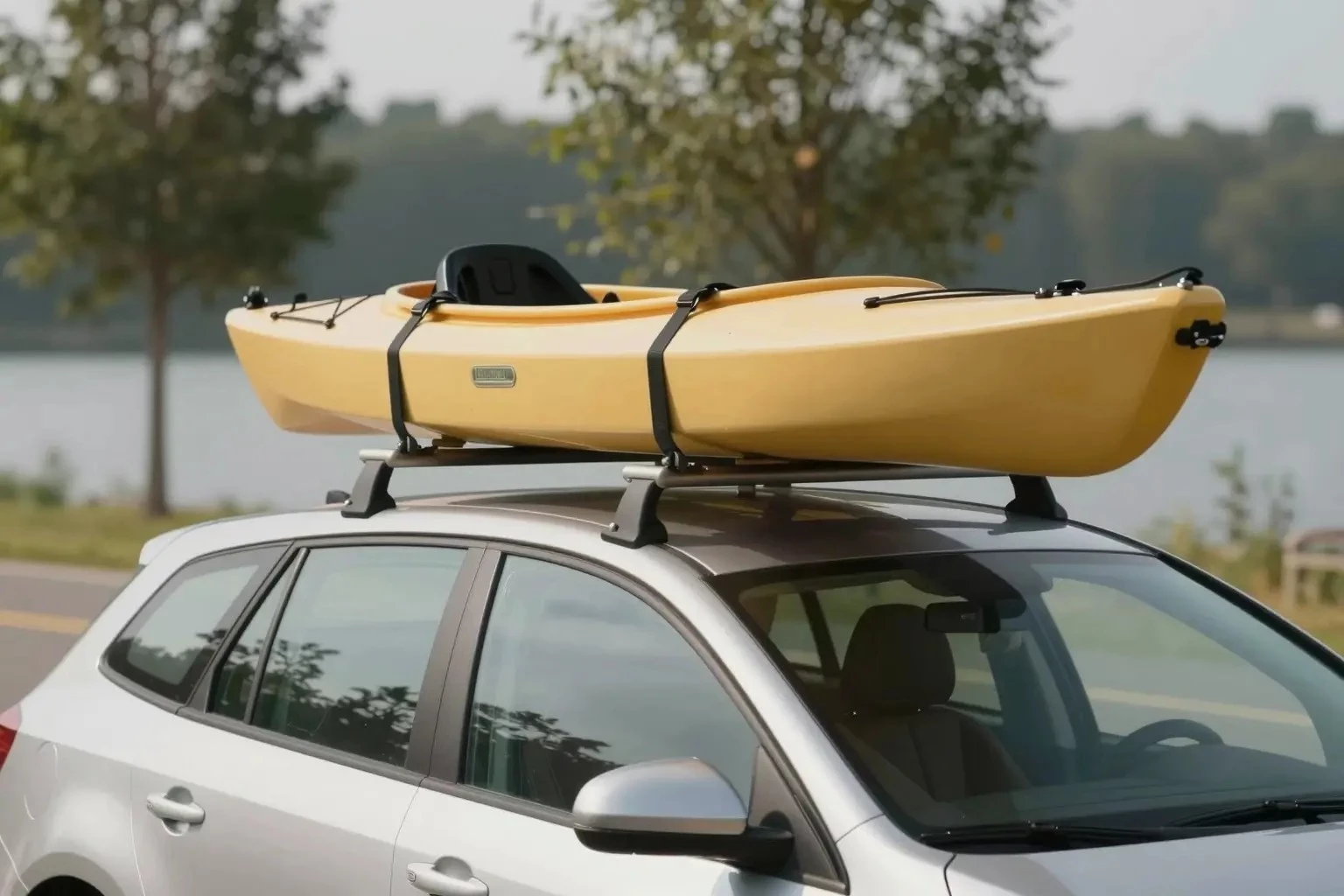
A roof rack is a popular choice for transporting kayaks. It typically consists of roof rails, crossbars, and specific kayak carriers or saddles. Roof racks are versatile and can accommodate multiple kayaks depending on the setup.
Foam Blocks
If your vehicle doesn’t have a built-in roof rack, foam blocks are an affordable alternative. They provide a cushion between the kayak and the car roof, preventing scratches and damage.
Hitch and Trailer Systems
If you frequently transport multiple kayaks or have a larger vehicle, a hitch and trailer system might be ideal. This method allows for easy loading and unloading without lifting the kayak onto the roof.
Essential Equipment
To transport a kayak safely, you need certain equipment. Here is a list of essentials:
- Roof Bars or Roof Rails: These are necessary for attaching crossbars and carriers.
- Crossbars: They provide a base for attaching kayak carriers or foam blocks.
- Kayak Carrier: Various designs are available, including J-cradles, saddles, and stackers.
- Foam Blocks: Used when no roof rack is available.
- Tie-Downs and Straps: Essential for securing the kayak to the vehicle.
- Padding: Use additional padding to protect the vehicle and kayak.
Steps for Loading and Unloading
Loading the Kayak
- Prepare the Vehicle: Ensure roof bars and crossbars are properly installed and secure. Attach the kayak carrier or foam blocks as needed.
- Position the Kayak: Lift the kayak onto the roof, placing it on the carrier or foam blocks. Ensure it is centered and balanced.
- Secure the Kayak: Use tie-downs and straps to secure the kayak. Attach straps to the crossbars and around the kayak, tightening them to prevent movement.
- Check Stability: Gently shake the kayak; it should not move. Ensure straps are tight and secure.
Unloading the Kayak
- Remove Straps: Loosen and remove the tie-downs and straps.
- Carefully Lift: With assistance, lift the kayak off the vehicle. Be mindful of the vehicle’s paint and windows.
- Store Equipment: Store the straps, carriers, and other equipment properly for future use.
Safety Considerations
Ensuring the safety of the kayak and vehicle during transport is paramount. Here are some tips:
- Double-Check Fastenings: Before driving, ensure all straps and tie-downs are secure.
- Use Flagging: Attach a red flag to the kayak’s stern if it extends beyond the vehicle’s rear.
- Drive Cautiously: Avoid high speeds and sudden maneuvers that can destabilize the kayak.
- Check Regularly: Periodically check the kayak’s security during long trips.
Transporting a kayak with a car is a manageable task with the right preparation and equipment. Whether using a roof rack, foam blocks, or a trailer, ensuring the kayak is secure is crucial for safe travel. Always prioritize safety and proper technique to protect both your vehicle and kayak during transport.