Formula 1 is one of the most prestigious and demanding motorsport competitions in the world. The logistics and transport involved in moving the cars, equipment, and personnel across the globe are as complex and precise as the races themselves. This article explores the intricate process of transporting Formula 1 cars and the associated logistics.
The Complexity of Formula 1 Transport
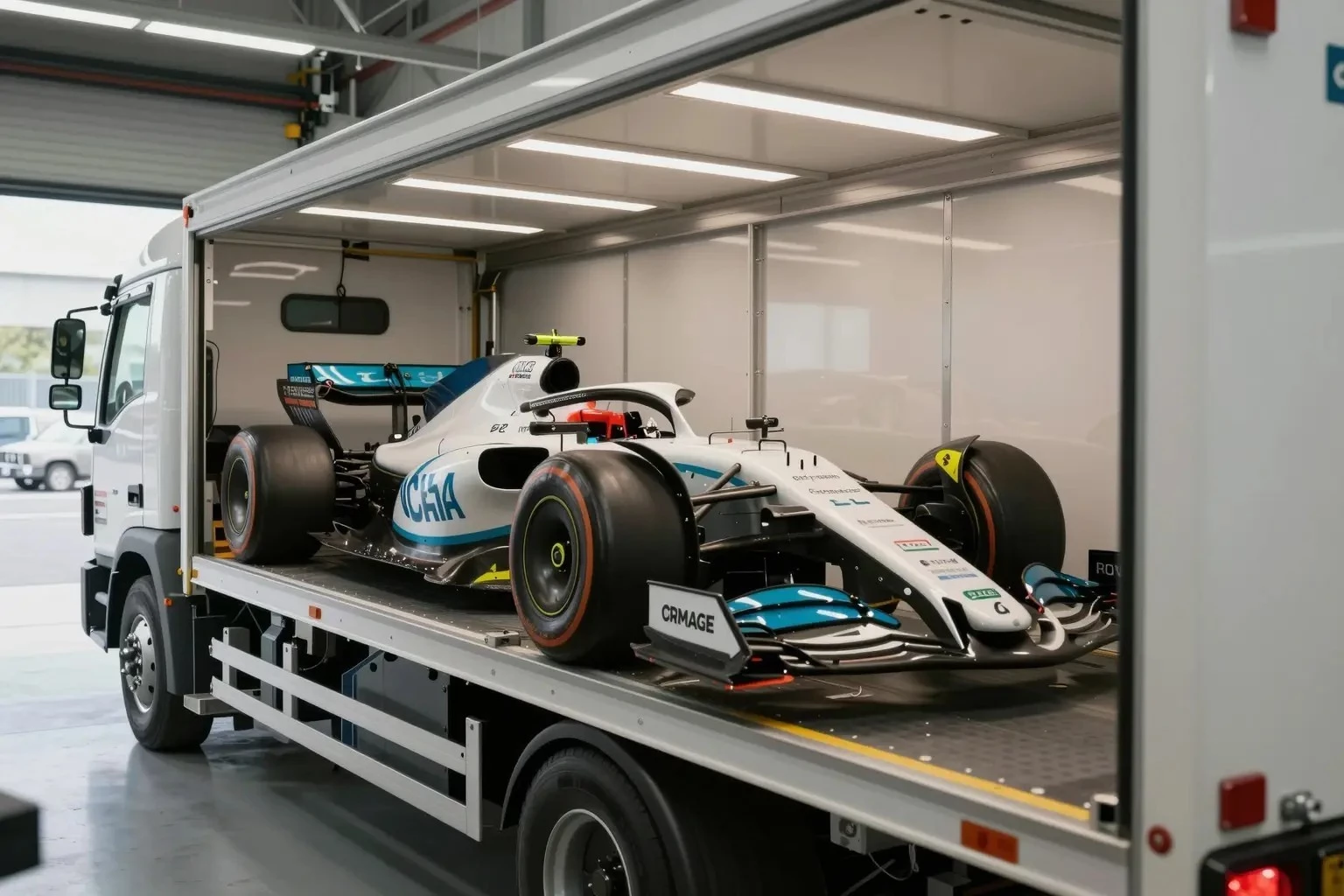
Transporting Formula 1 cars and equipment is a massive logistical challenge that involves the coordination of air freight, shipping, and land transport. The racing teams must ensure that all the necessary components reach the circuits on time for each grand prix, often spread across different continents.
Logistics and Coordination
Logistics in Formula 1 involves detailed planning and coordination. Each racing team works closely with freight forwarders to organize the international transport of their cars and equipment. Timing is crucial, as delays can impact the performance and preparation for the race.
Air Freight and Shipping
Air Freight is the primary method for transporting Formula 1 cars over long distances. Due to the tight schedule of the racing calendar, air freight offers the speed and reliability needed to ensure the cars arrive on time. Cargo planes are specially chartered to carry the dismantled cars and other essential equipment.
For races within close proximity, or when there is more time between races, shipping by sea might be used. This method involves packing the cars and gear into containers, which are then loaded onto cargo ships. Although slower, it is a cost-effective solution for non-urgent transportation needs.
Dismantling and Packaging
Before transport, the cars are carefully dismantled into major components to optimize space and ensure safety during transit. Each part is meticulously packaged to prevent damage. The precision in dismantling and packaging is crucial, as any damage or misplacement can have severe consequences on race day.
Customs and International Regulations
Transporting equipment internationally requires navigating customs regulations and ensuring compliance with international standards. Racing teams must prepare detailed documentation for all cargo, including spare parts and components, to avoid delays at customs checkpoints. Freight forwarders play a key role in facilitating this process, ensuring all regulations are adhered to.
Assembly and Precision
Once the cars and equipment arrive at the circuit, the next phase is assembly. The teams must work with precision and speed to reassemble the cars, often within a tight timeframe. Every component must be checked and calibrated to ensure optimal performance.
Vehicles and Equipment
Besides the cars, an enormous amount of equipment needs to be transported. This includes tools, spare parts, tires, and even the team’s hospitality units. Containers are packed with these items, ensuring they are ready for setup at each grand prix.
Timing and Race Calendar
The Formula 1 race calendar spans multiple continents, requiring meticulous planning to ensure everything is where it needs to be, when it needs to be there. The logistics teams coordinate with the racing teams to create a seamless flow of operations to meet the demands of the racing schedule.
Challenges and Solutions
One of the biggest challenges in Formula 1 transport is the need for precision timing and coordination. Delays can have a domino effect, impacting race preparation and performance. To mitigate risks, teams often have contingency plans and rely on experienced logistics partners.