Transporting Formula 1 (F1) cars across the globe is a complex and meticulously coordinated endeavor that involves a sophisticated logistics network. The process demands a high level of expertise in freight, shipping, and logistics to ensure that these high-performance machines arrive safely and on time for each race event. In this article, we will explore the intricate details of how F1 cars are transported overseas, focusing on key elements such as containers, air transport, sea transport, customs, and regulations. We’ll also delve into the roles of packaging, dismantling, reassembly, and team coordination in this global transportation network.
The Logistics of F1 Car Transportation
The logistics of transporting F1 cars is a well-oiled machine, much like the cars themselves. With races scheduled across different continents, logistics teams must plan meticulously to ensure seamless transitions from one location to another. The schedule is tight, and any delays can have significant repercussions on race preparation and performance.
Air Transport vs. Sea Transport
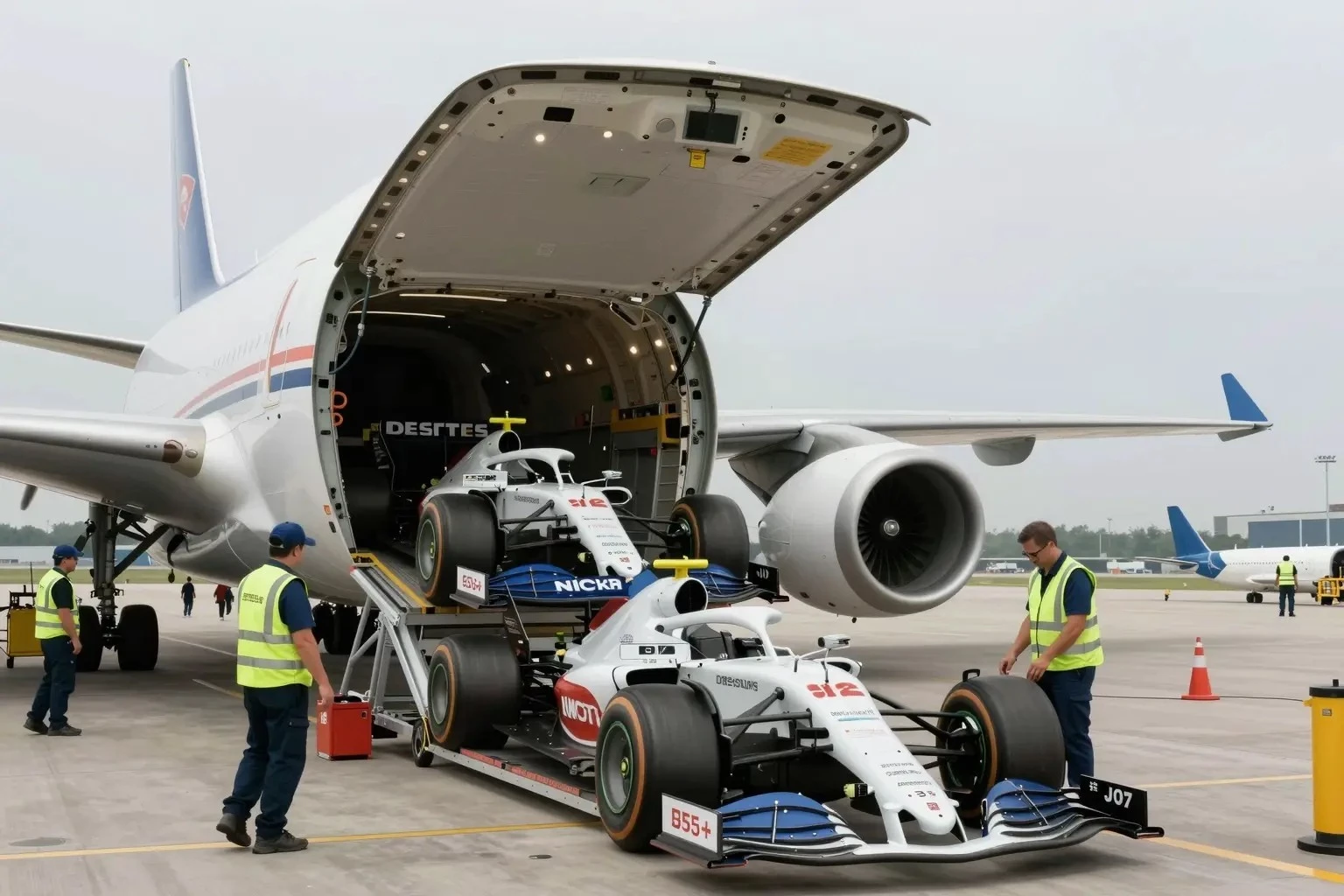
The choice between air transport and sea transport is influenced by factors such as time constraints, costs, and the race calendar. Air transport is the preferred method due to its speed and efficiency, allowing cars and equipment to be transported quickly over long distances. Charter planes are often used to fly cars and equipment directly to their destinations, minimizing transit time;
However, sea transport can be a cost-effective alternative when time allows. Using containers, teams can ship non-essential equipment by sea, reducing transportation costs. The decision between air and sea is a strategic one, balancing both budgetary and logistical considerations.
Customs and Regulations
Each country has its own customs and regulations governing the import and export of goods, and F1 teams must navigate these complex legal frameworks. This requires close collaboration with customs agents and a thorough understanding of regulatory requirements to ensure a smooth passage through customs checkpoints.
Preparation and Packaging
Before transportation, F1 cars undergo a meticulous process of dismantling and packaging. This involves disassembling the cars into their core components to fit into specialized containers designed for maximum protection. The cars are wrapped in protective materials to prevent damage during transit.
Dismantling and Reassembly
Dismantling an F1 car requires precision and expertise, as each component is critical to the car’s performance. Teams have well-trained technicians who carefully dismantle and reassemble the cars, ensuring every part is accounted for and in perfect condition upon arrival. This process is crucial for maintaining the safety and integrity of the cars.
Team Coordination
The successful transportation of F1 cars hinges on team coordination. Logistics teams, engineers, and technicians work in unison to adhere to the schedule and ensure that all equipment arrives on time and intact. This requires detailed planning, communication, and a deep understanding of the logistical challenges involved in global race events.
Equipment and Safety
The transport of F1 cars involves specialized equipment to handle the delicate and valuable cargo. Rigorous safety protocols are in place to protect the cars from damage. This includes climate-controlled containers and shock-absorbing packaging materials.
Furthermore, regular checks and maintenance of the transport equipment are conducted to ensure efficiency and reliability. Any failure in the transport process can compromise the car’s performance and pose significant risks to the race outcome.
Cost Considerations
The costs associated with transporting F1 cars are significant. Teams must budget for air freight, customs duties, insurance, and other logistical expenses. Balancing these costs with the need for rapid and reliable transportation is a continual challenge for F1 teams.
Transporting F1 cars overseas is a testament to the advanced logistics capabilities of the motorsport industry. It requires a comprehensive understanding of global transportation networks, customs regulations, and the technical demands of handling high-performance vehicles. This process is a critical component of each team’s success, ensuring that they can compete at the highest level in race events around the world.