The world of Formula 1 is not just about the adrenaline-pumping races but also about the meticulous and complex logistics that happen behind the scenes. The transportation of race cars and related equipment is a colossal task that involves precision‚ efficiency‚ and coordination. This article delves into the logistics involved in transporting Formula 1 cars‚ touching upon aspects like air freight‚ sea freight‚ ground transport‚ and the organizational challenges faced by the teams.
The Logistics of Formula 1
Formula 1 logistics are a grand spectacle of organization and precision. The transportation of race cars and equipment involves a combination of air freight‚ sea freight‚ and ground transport to ensure everything arrives at the right place and time. The logistics team must be meticulous in planning the schedule to ensure cost-efficiency and adherence to international customs and regulations.
Transportation Methods
Formula 1 uses a variety of transportation methods to move race cars and equipment around the globe. These methods include:
- Air Freight: Air freight is the most popular method of transporting race cars due to its speed and efficiency. It allows teams to move cars and equipment quickly between international destinations. Formula 1 teams typically use large cargo planes to transport the race cars and essential equipment.
- Sea Freight: While slower than air transport‚ sea freight is used for shipping less time-sensitive equipment. This method is cost-effective and allows teams to move large quantities of equipment in shipping containers.
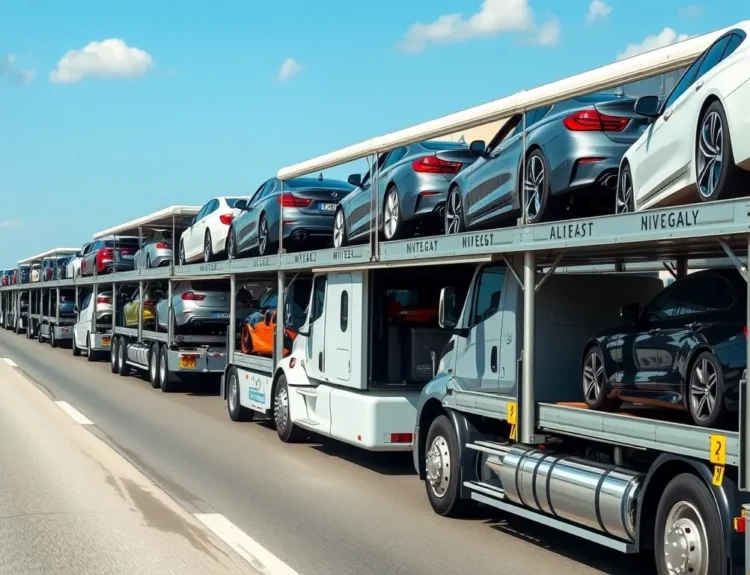
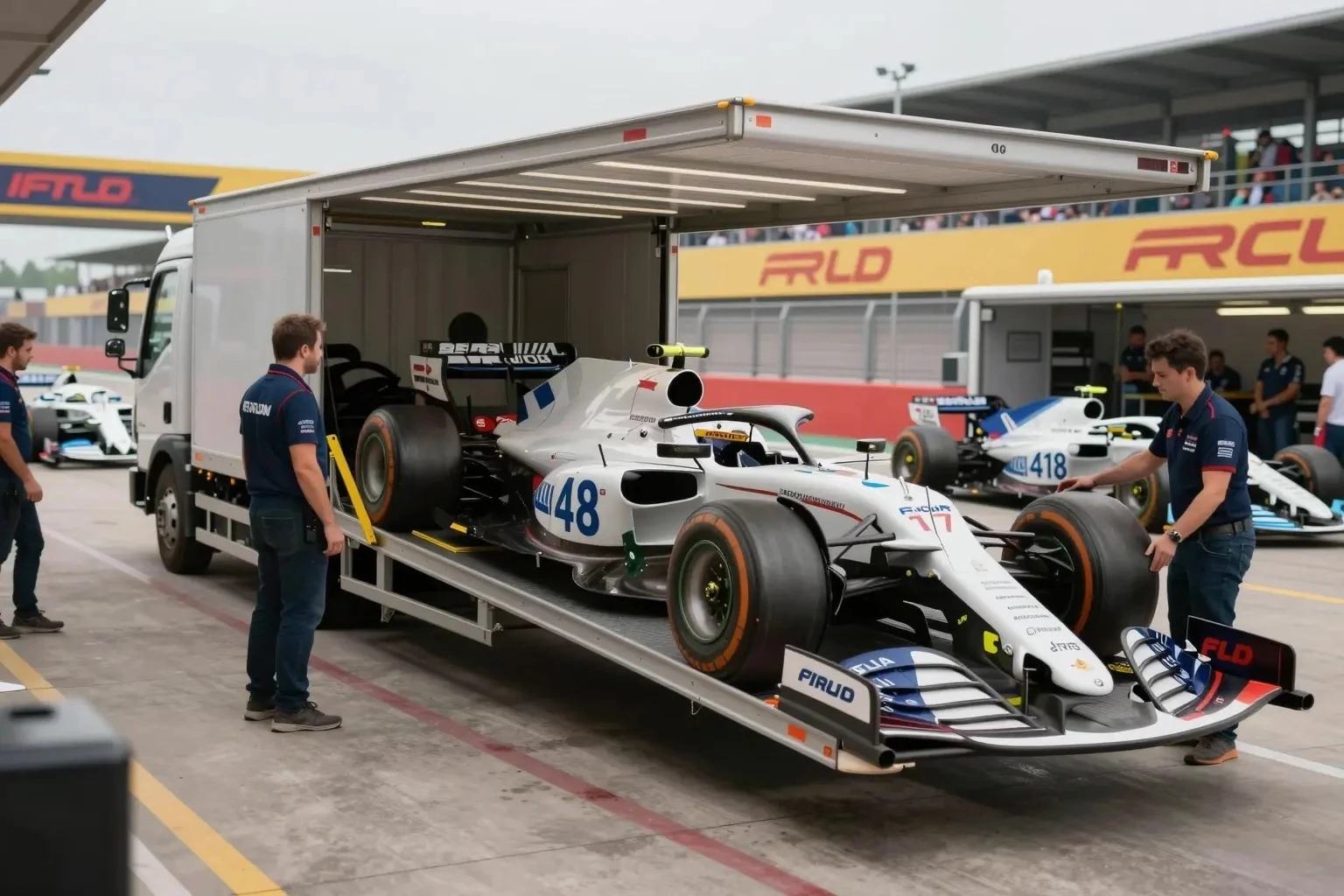
- Ground Transport: Once the equipment arrives at a destination country‚ ground transport is used to move everything to the race paddock. This involves trucks and trailers that are specially designed to transport sensitive equipment safely.
The Role of Teams and Equipment
Each Formula 1 team has a dedicated logistics department responsible for the safe and timely transportation of cars and equipment. The logistics team works closely with transportation companies to ensure that everything is packed‚ shipped‚ and delivered according to schedule. The equipment includes not only cars but also spare parts‚ tools‚ and technology infrastructure necessary for the race weekend.
Packaging and Safety
Packaging is a critical component of F1 logistics. Race cars and equipment are transported in specially designed containers that provide protection and ensure safety during transit. Packaging must adhere to international safety standards and regulations to prevent damage and ensure compliance with customs.
Customs and Regulations
International customs and regulations can pose significant challenges for F1 logistics. Each country has its own set of rules and requirements for the import and export of goods. The logistics team must navigate these regulations to ensure seamless transportation across borders.
Efficiency and Cost Management
Cost management is a crucial aspect of Formula 1 logistics. Teams must balance speed and efficiency with cost-effectiveness to optimize their transport methods. Using a combination of air‚ sea‚ and ground transport allows teams to manage costs while ensuring timely delivery of equipment.
Coordination and Organization
Coordination among various stakeholders is vital for successful logistics operations. The logistics team must work in harmony with transportation providers‚ customs officials‚ and team members to ensure efficient operations. This requires a high level of organization and communication to prevent delays and ensure everything is in place for the race.
The Paddock and Infrastructure
The final destination for the transported race cars and equipment is the paddock. The paddock is a bustling hub of activity where teams set up their garages‚ hospitality units‚ and technical infrastructure. The logistics team ensures that all components are in place and operational before the race weekend begins.
Technology and Precision in F1 Logistics
Technology plays a significant role in the logistics of Formula 1. Advanced tracking systems are used to monitor the location and status of shipments in real-time. This technology allows teams to coordinate logistics with precision and respond quickly to any issues that may arise during transit.
The Importance of Precision
Precision is paramount in F1 logistics. Every detail‚ from the packing of equipment to the scheduling of transport‚ must be executed flawlessly. Any delay or mishap can have significant repercussions on race preparations‚ making precision a critical factor in logistics operations.
Transporting Formula 1 cars and equipment around the world is a complex and challenging task that requires meticulous planning‚ coordination‚ and execution. The logistics team plays a crucial role in ensuring that everything runs smoothly‚ allowing the teams to focus on what they do best: racing. With the use of advanced technology and a deep understanding of international logistics‚ Formula 1 continues to set the standard for efficiency and precision in the world of sports logistics.