Transporting fish can be a stressful experience for both the fish and the owner. Ensuring a smooth and safe journey requires careful planning and attention to detail. This article will guide you through the essential steps for transporting your fish in a car, focusing on maintaining their health and minimizing stress.
Preparation for Transportation
The first step in transporting your fish involves proper preparation; This includes setting up a secure container, ensuring adequate oxygen, and maintaining water quality.
Choosing the Right Container
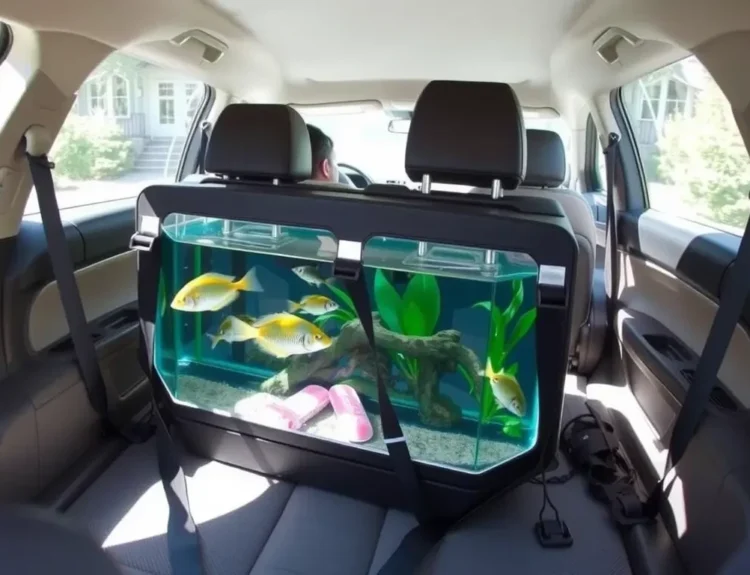
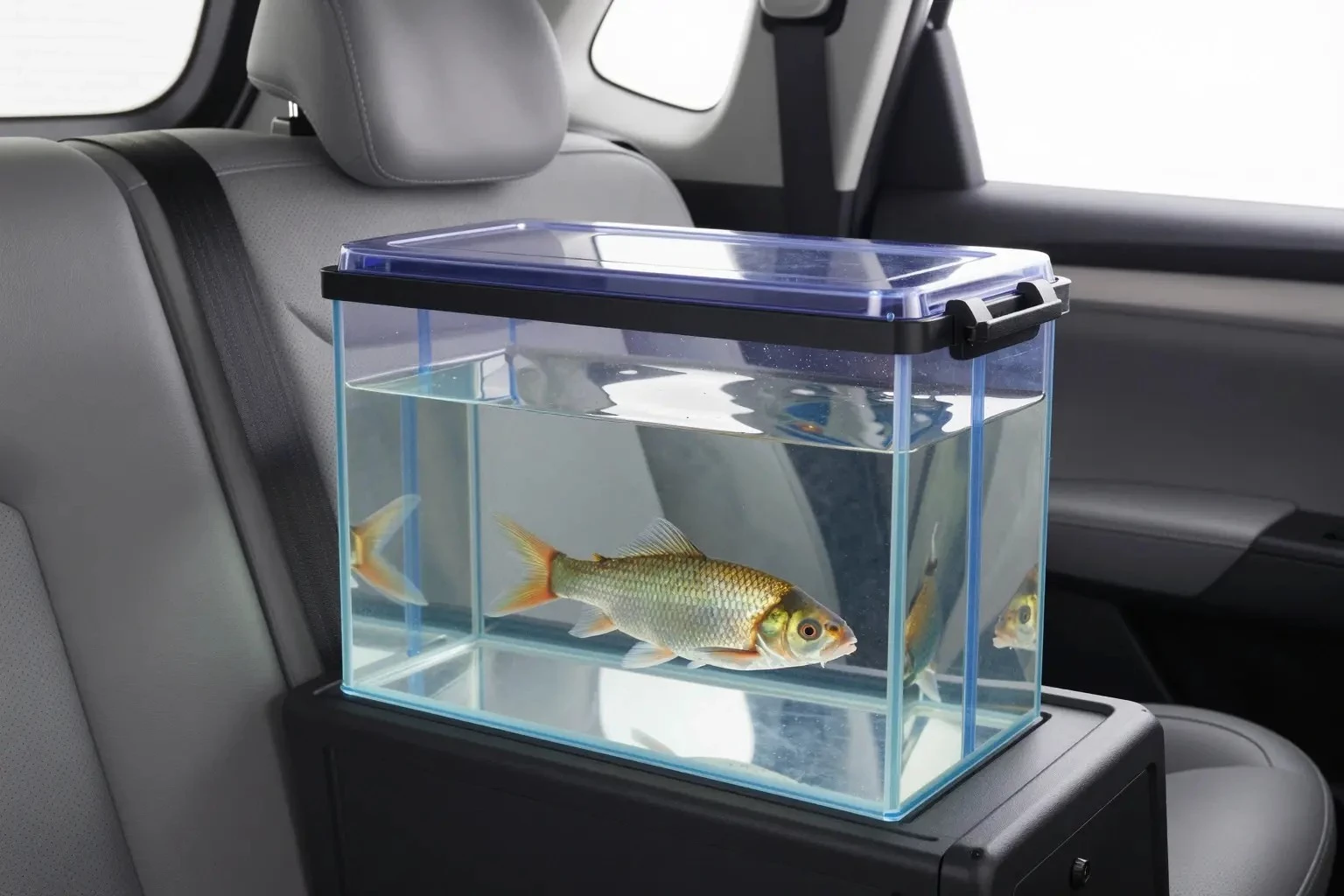
A secure container is essential for safe fish transportation. This could be a fish bag or a plastic container with a lid, depending on the size and species of the fish. The container should be large enough to hold sufficient water and provide space for the fish to move.
Water Quality and Temperature
Maintaining water quality is crucial for the fish’s health during transportation. Use water from the aquarium to ensure the fish remain in a familiar environment. Monitor the water temperature closely to prevent thermal shock.
Oxygen Supply
Fish require oxygen to survive, especially during long trips; Consider using an air pump to maintain oxygen levels or ensure the container has enough air space above the water. For shorter distances, a properly sealed fish bag often suffices.
Packing and Handling
Proper packaging and handling play a significant role in ensuring the safety of your fish during transit. Follow these steps to minimize stress and prevent injuries.
Cushioning and Security
Cushion the container with towels or bubble wrap to protect against vehicle movement. Secure the container in the car to prevent tipping or sliding. This will help maintain stability and reduce stress.
Climate Control
Keep the car’s temperature regulated to prevent fluctuations in the water’s temperature. Use the vehicle’s climate control system to maintain a comfortable environment for the fish.
Handling Tips
Minimize handling of the fish to reduce stress. If using a fish bag, ensure it is sealed properly and handle it with care to avoid sudden movements.
During the Journey
During the transportation, it is important to monitor the fish’s condition and ensure their environment remains stable.
Monitoring the Fish
Regularly check on the fish during transit. Look for signs of stress or distress, such as erratic swimming or gasping for air. Ensure the water remains at a consistent temperature.
Travel Duration
Consider the travel duration and plan accordingly. For longer journeys, it might be necessary to stop intermittently to refresh the water or check oxygen levels.
Vehicle Movement
Drive smoothly to minimize vehicle movement that could disturb the fish. Avoid sudden stops or sharp turns, which can cause stress.
Post-Transportation Acclimation
Once you’ve reached your destination, it’s crucial to acclimate the fish to their new tank setup properly.
Gradual Acclimation
Start by floating the container in the aquarium to equalize the water temperature. Slowly introduce water from the tank into the container to help the fish adjust to the new water parameters.
Filtration and Setup
Ensure that the new tank has proper filtration and is set up for the specific fish species being transported. This includes adjusting the water parameters and ensuring an appropriate environment.
Monitoring After Release
After releasing the fish into the tank, monitor them closely for signs of stress or illness. Adjust the tank setup as needed to provide a comfortable environment.
By following these travel tips and paying attention to the details of fish transportation, you can ensure a safe and comfortable journey for your aquatic pets. Proper preparation, handling, and acclimation are key to minimizing stress and maintaining the health of your fish during and after transportation.