Transporting a propane tank in your vehicle requires careful attention to safety and regulations to ensure a safe journey for you and others on the road․ Propane is a flammable gas, and mishandling it can pose serious risks․ This article will guide you through the essential steps and precautions to take when transporting a propane tank in your car․
Understanding Propane and Its Risks
Propane is a widely used fuel for cooking, heating, and powering various appliances․ However, due to its highly flammable nature, it demands careful handling․ Knowing the risks and safety measures associated with propane is crucial for safe transportation․
Transportation Guidelines for Propane Tanks
Securing the Load
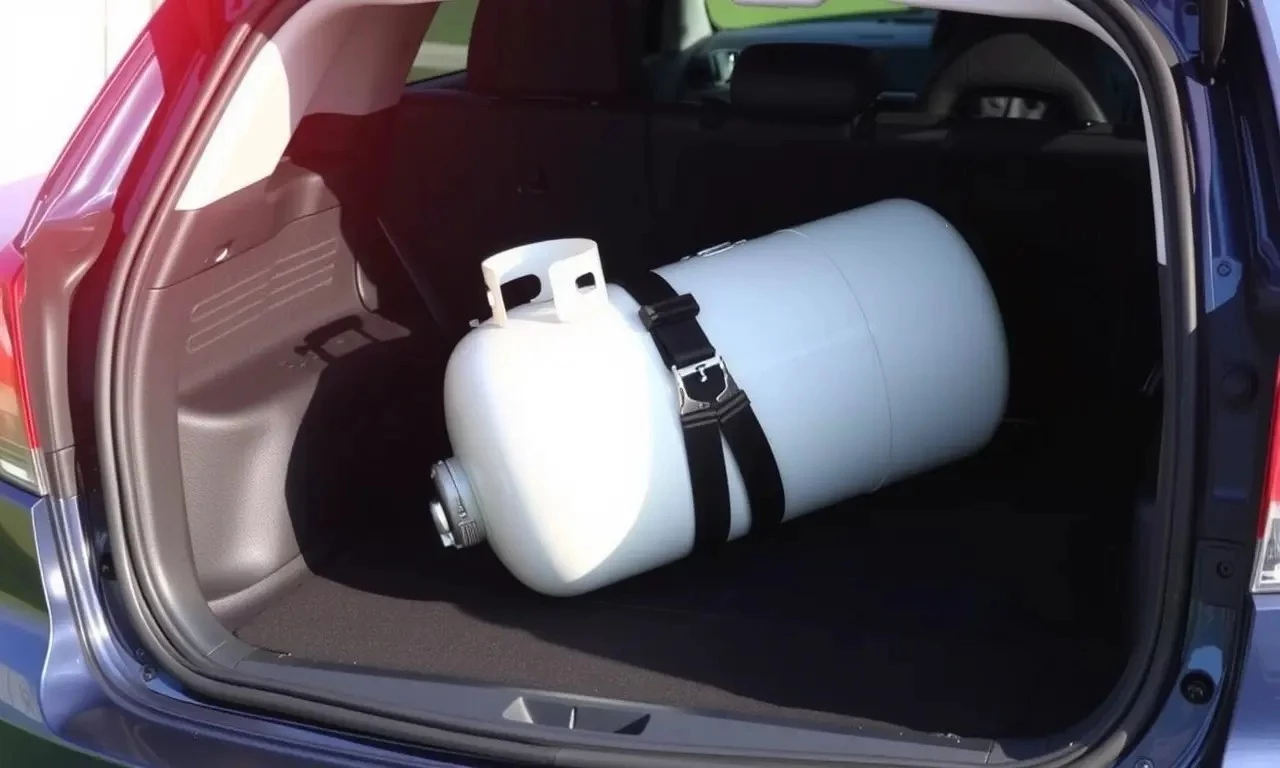
When transporting a propane tank in your car, ensure it is secured properly․ A loose tank can shift during transit, increasing the risk of damage or leakage․ Use sturdy straps or bungee cords to secure the tank firmly in place, preventing it from moving․
Upright Position
Always transport propane tanks in an upright position․ This position helps maintain the integrity of the tank’s internal pressure and ensures the pressure relief valve functions correctly․ Transporting the tank on its side can lead to leaks or damage to the valve․
Ventilation
Adequate ventilation is essential when transporting propane in a vehicle․ Ensure the windows are partially open to allow fresh air circulation, reducing the risk of gas accumulation in the car․ Avoid transporting the tank in an enclosed space without proper ventilation․
Travel Precautions
Plan your trip to minimize travel time with a propane tank․ Avoid rough roads or high-speed travel that might cause excessive vibration or jostling of the tank․ Drive smoothly and cautiously to ensure the tank remains stable and secure․
Storage Laws and Local Regulations
Familiarize yourself with the storage laws and local regulations concerning the transportation of propane tanks․ Different regions may have specific requirements regarding the number of tanks you can carry, the size, and the conditions under which they can be transported․ Compliance with these laws ensures legal and safe transportation․
Handling Propane Safely
Handle propane tanks with care to prevent accidental releases of gas․ Avoid dropping or striking the tank against hard surfaces․ Check the tank for any signs of damage, such as dents or rust, before transportation․ A damaged tank should not be transported and requires professional inspection․
Emergency Procedures
In case of an emergency, such as a leak or fire, knowing the proper emergency procedures is crucial․ Here are the steps to follow:
- Immediately stop the vehicle in a safe location away from traffic․
- Turn off the engine and exit the vehicle․
- Move to a safe distance from the vehicle and the propane tank․
- Call emergency services and report the situation․
- Do not attempt to fix the leak or extinguish the fire yourself․
Pressure Relief Valve and Leak Detection
Pressure Relief Valve
The pressure relief valve is a critical component of a propane tank․ It helps release excess pressure to prevent the tank from rupturing․ Ensure that the valve is not obstructed or damaged before transportation․
Leak Detection
Before starting your journey, perform a leak detection test․ Use a soap and water solution to check for leaks around the valve and connections․ Bubbles forming indicate a leak, which must be addressed before transportation․
The Car Trunk: Is It Safe?
Transporting a propane tank in the car trunk is not recommended due to limited ventilation․ However, if it’s the only option, take extra precautions:
- Ensure the trunk is well-ventilated by partially opening windows or using external vents․
- Secure the tank firmly to prevent movement․
- Check for leaks before placing the tank in the trunk․
Transporting a propane tank in your vehicle requires adherence to safety transportation guidelines and an understanding of the risks involved․ By securing the load, maintaining an upright position, and ensuring proper ventilation, you can mitigate potential hazards․ Familiarize yourself with local regulations and legal requirements to comply with storage laws․ Always be prepared for emergencies and know the protocols for handling propane safely․ By following these guidelines, you can transport propane tanks safely and responsibly․