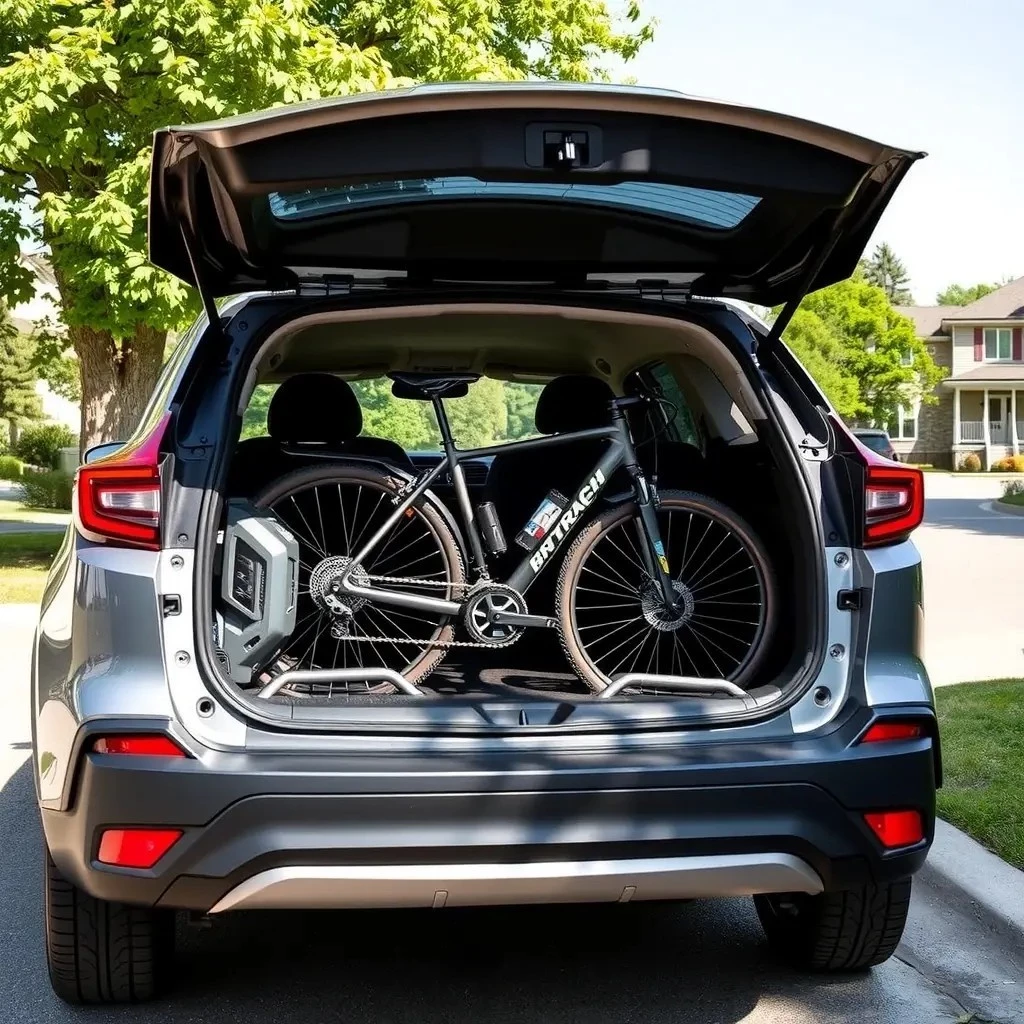
Transporting a bicycle in a car can be a challenge‚ especially if you have a compact car. However‚ with the right techniques and equipment‚ you can safely and securely transport your bicycle without hassle. This article provides useful tips on various methods‚ including using a bike rack‚ trunk‚ and more‚ to ensure your bicycle arrives at its destination in perfect condition.
Using a Bike Rack
One of the most common methods for transporting a bicycle is using a bike rack. There are several types of bike racks‚ each suited to different vehicle types and transportation needs. Here’s a breakdown:
Trunk-Mounted Bike Rack
A trunk-mounted bike rack is an affordable and versatile option. It attaches to the trunk or rear of the vehicle‚ making it suitable for a sedan or hatchback. Ensure that the rack fits your car model and that the secure straps are properly tightened to prevent any movement during transport.
Roof Rack
For those who prefer not to block the rear view or access to the trunk‚ a roof rack is an excellent choice. This option requires crossbars on top of the vehicle. It’s great for SUVs or vehicles with pre-installed roof racks. Remember to consider the added height and the need for extra care when loading and unloading your bike.
Transporting Inside the Car
If you prefer to transport your bicycle inside your car‚ you’ll need to consider the interior space and protection for both the car and the bike.
Disassemble the Bicycle
Disassemble your bicycle to make it fit more easily inside the car. This might involve wheel removal and lowering the seat post. For compact cars‚ consider a folding bike that requires minimal disassembly.
Car Interior Protection
Use padding to protect both the bike and the car interior. Blankets‚ towels‚ or special car mats can help prevent scratches and damage. If your car allows‚ fold the rear seats down for extra space.
Transporting in Different Vehicle Types
Different vehicles require different strategies for transporting bicycles. Here’s how you can adapt your approach based on your vehicle type:
Sedan
With a sedan‚ your best bet is a trunk-mounted bike rack. However‚ if you prefer internal transport‚ disassembling the bike and lowering the rear seats can create enough room.
Hatchback
Hatchbacks offer more flexibility due to their larger rear opening. A trunk-mounted or roof rack works well‚ but you can also transport the bike inside by folding down the rear seats.
SUV
SUVs provide ample space and can easily accommodate a bike inside‚ especially with the seats down. Roof racks are also a popular choice for SUVs due to their capacity to carry multiple bikes.
Loading and Unloading Tips
Proper loading and unloading techniques are essential to ensure safety and prevent damage to both the bike and the vehicle.
Loading Tips
- Ensure the bike is clean to avoid transferring dirt to the car.
- If using a rack‚ lift the bike carefully to avoid scratching the vehicle’s surface.
- Make sure all straps are secure and the bike is stable on the rack or inside the car.
Unloading Tips
- Carefully remove the bike from the rack or car‚ ensuring no parts snag or scratch the vehicle.
- Inspect the bike for any damage or loose parts after transport.
Additional Transport Tips
Here are some additional transport tips to help ensure a smooth journey:
- Check local laws regarding bike racks and transport to ensure compliance.
- Regularly inspect your bike rack and secure straps for wear and tear.
- Consider investing in a lock for added security when using a rack.
Transporting a bicycle doesn’t have to be a daunting task. Whether using a bike rack‚ the car’s interior‚ or considering the vehicle type‚ the right approach and preparation can make the process smooth and hassle-free.