Transporting propane tanks in a vehicle can be a risky endeavor if not handled with proper precautions. Propane, being a flammable gas, presents several safety challenges that require due diligence and adherence to guidelines to ensure safe transport. In this article, we will delve into the various aspects of propane safety, focusing on vehicle transport, cylinder precautions, and legal regulations.
Understanding Propane as a Flammable Gas
Propane is a highly flammable gas commonly used in heating, cooking, and fuel applications. Its flammability necessitates strict safety protocols, particularly during transportation. Mismanagement during transport can lead to leaks or even explosions, posing serious risks to personal safety and property.
Key Characteristics of Propane
- Colorless and odorless in its natural state, although an odorant is added for leak detection.
- Stored under pressure in a liquid state within cylinders.
- Expands and contracts with temperature fluctuations, affecting pressure inside the cylinder.
Cylinder Precautions for Safe Transport
When transporting propane cylinders in a vehicle, specific precautions must be taken to mitigate risks. These precautions are crucial for preventing gas leaks, ensuring personal safety, and complying with transportation guidelines.
Secure Placement
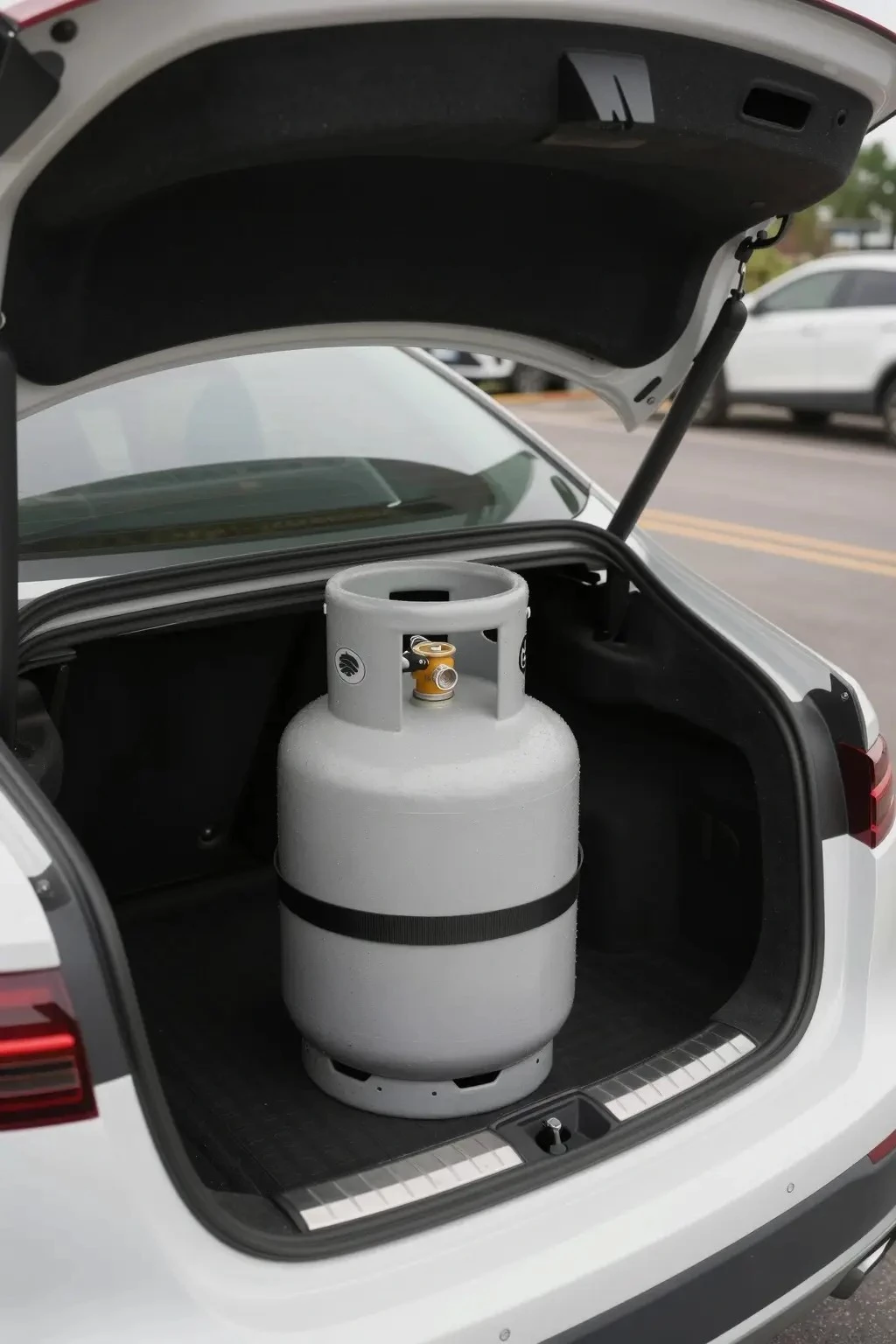
Always secure the propane cylinder in an upright position to prevent movement and potential damage. Use appropriate restraints such as bungee cords or straps to hold the cylinder firmly in place. This prevents the cylinder from tipping over or rolling during transport, which can cause valve damage or leaks.
Ventilation
Ensure adequate ventilation within the vehicle. Open windows or use a ventilated cargo area to prevent gas accumulation in case of a leak. Propane is heavier than air and can settle in low areas, so proper airflow is crucial to disperse any escaping gas.
Temperature Control
Maintain a stable temperature during transport. Avoid exposing cylinders to extreme heat, particularly during summer. High temperatures can increase internal pressure, risking the activation of the pressure relief valve or causing a rupture.
Emergency Procedures and Gas Leak Prevention
Being prepared for emergencies and preventing gas leaks are critical components of safely transporting propane cylinders.
Emergency Procedures
- Familiarize yourself with emergency procedures related to propane leaks or accidents.
- Have a fire extinguisher rated for flammable gases readily available.
- Know the location of the nearest emergency services and have their contact information at hand.
Gas Leak Prevention
Regularly inspect the cylinder and its components for signs of wear or damage. Check the pressure relief valve and other fittings for leaks using a soapy water solution. If bubbles form, it indicates a leak that needs immediate attention.
Legal Regulations and Transportation Guidelines
Transporting propane cylinders is subject to legal regulations that vary by region. It is essential to be aware of and comply with these regulations to ensure safe and lawful transport.
Regulatory Compliance
Follow local transportation guidelines and legal requirements for transporting flammable gases. This may include restrictions on the number of cylinders transported, specific labeling, and documentation requirements.
Risk Assessment and Fire Hazard Awareness
Conduct a thorough risk assessment before transporting propane cylinders. Identify potential hazards and implement safety measures to mitigate them. Be aware of fire hazards and maintain a safe distance from ignition sources.
Pressure Relief Valve and Summer Heat Considerations
The pressure relief valve is a critical safety feature on propane cylinders designed to release excess pressure. However, its activation can be dangerous if not managed properly, especially during summer heat conditions.
Pressure Relief Valve Functionality
Understand the operation of the pressure relief valve. It prevents the cylinder from bursting due to excessive pressure buildup by releasing gas in a controlled manner.
Managing Summer Heat
- Avoid leaving propane cylinders in direct sunlight or hot environments, such as a closed vehicle during summer.
- Transport during cooler parts of the day and park in shaded areas.
Proper Storage and Protective Measures
Proper storage of propane cylinders when not in use is as important as their transport. Implementing protective measures ensures long-term safety and readiness for future use.
Proper Storage Practices
- Store cylinders in a well-ventilated outdoor area, away from living spaces and ignition sources.
- Regularly inspect storage areas for signs of corrosion or other damage.
Protective Measures
Use protective covers for cylinders to shield them from the elements and potential damage. Implement accident prevention strategies by educating all users on proper handling and emergency procedures.
Transporting propane cylinders in a car is safe when proper precautions and guidelines are followed. By understanding the characteristics of propane, implementing secure placement and ventilation, adhering to legal regulations, and preparing for emergencies, you can ensure personal safety and compliance with transportation requirements.
Always prioritize safety by conducting risk assessments and being proactive in preventing accidents. Stay informed about regulatory updates and maintain good practices in both transportation and storage of propane cylinders.