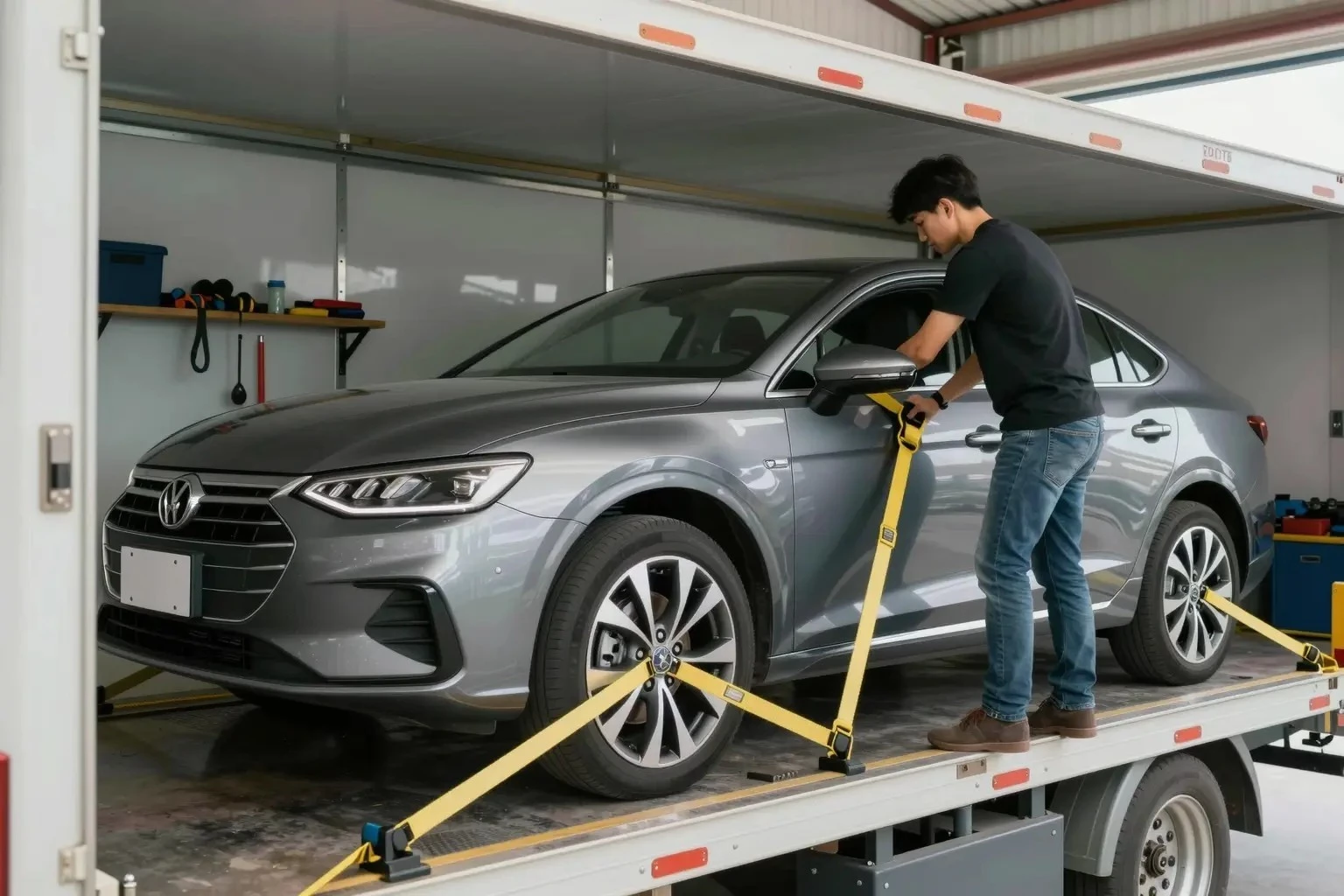
When it comes to vehicle shipping, ensuring that your car is prepared for the journey is crucial for a smooth and stress-free experience. Whether you’re relocating across the country or purchasing a vehicle from afar, following the right steps for auto transport can make all the difference. This comprehensive guide will walk you through the process of preparing your car for transport, ensuring its safety and condition upon arrival.
Car Preparation: The Key Steps
Preparing your car for transport involves several essential steps. By following a detailed transportation checklist, you can ensure that your car is ready for pickup and delivery by the transport company. Here are the key steps to follow:
Conduct a Comprehensive Car Inspection
Before handing over your vehicle to the transport carrier, it’s important to perform a thorough car inspection. This step will help document the vehicle condition before shipping. Consider the following:
- Inspect the exterior for any scratches, dents, or other damage.
- Check the interior for cleanliness and any existing issues.
- Take pre-shipment photos of your vehicle from multiple angles to serve as evidence of its condition.
Secure Your Belongings
To ensure the safety of your vehicle and its contents, secure belongings inside the car. Here are some tips:
- Personal items removal: Remove all personal items from the car to prevent loss or damage.
- Secure loose items: Ensure that any remaining items are securely fastened to avoid movement during transit.
Check Fluid Levels and Tire Pressure
Proper maintenance of your vehicle’s fluids and tire pressure is essential for safe transport. Follow these guidelines:
- Top up all fluid levels, including engine oil, coolant, and brake fluid.
- Check tire pressure to ensure it’s at the recommended level.
Ensure Battery Charge
A fully charged battery is crucial for both loading and unloading your vehicle. Make sure to:
- Check the battery charge and recharge it if necessary.
- Ensure the battery is securely mounted in its compartment.
Verify Insurance Coverage
Before shipping your vehicle, confirm your insurance coverage to ensure protection during transit. Consider the following steps:
- Contact your insurance provider to understand the extent of coverage during transport.
- Discuss additional coverage options with the transport company if needed.
Manage Fuel Level
For safety reasons, it’s important to manage your fuel level before transport. Here’s how:
- Keep the fuel tank at around a quarter full to reduce weight and potential hazards.
- Avoid a full tank to minimize risks during transport.
Choosing the Right Transport Company
Selecting the right transport company is critical for a smooth auto transport experience. Consider these factors:
- Research multiple companies and compare their services and pricing.
- Check reviews and ratings to assess their reliability and customer satisfaction.
- Verify their licensing and credentials to ensure they are authorized to operate.
Pickup and Delivery: What to Expect
Understanding the pickup and delivery process can help you prepare for a seamless experience. Here’s what to expect:
- Coordinate with the transport company for a convenient pickup time and location.
- Ensure that you or a representative is present during pickup to facilitate the process.
- Upon delivery, inspect the vehicle for any changes in condition and compare it with the pre-shipment photos.
Ensuring Vehicle Protection During Transport
Protecting your vehicle during transport is essential for peace of mind. Follow these tips for vehicle protection:
- Choose between open or enclosed transport based on your vehicle’s value and your budget.
- Discuss any specific protection measures with the transport carrier.
- Ensure the carrier has adequate insurance to cover potential damages.
Proper preparation is key to a successful auto transport experience. By following this guide, you can ensure that your vehicle is ready for the journey, with all necessary precautions taken to maintain its condition and safety. Remember to choose a reliable transport company, verify insurance coverage, and follow the transportation checklist to guarantee a hassle-free process from pickup to delivery. With these steps in place, you can rest assured that your car will arrive at its destination in the same condition it was shipped, providing peace of mind throughout the entire process.