The world of Formula 1 is not just about speed and technology on the race track. Behind the scenes, an extraordinary logistical operation ensures that F1 cars and all associated equipment are transported efficiently across the globe. This involves an intricate dance of transportation, logistics, and coordination that is crucial to the success of each race season.
The Logistics of Transporting F1 Cars
Transporting F1 cars requires a high level of precision and planning. The logistical challenges are immense, given the international nature of the race calendar. Race circuits are spread across continents, requiring teams to seamlessly move their operations from one venue to another.
Modes of Transportation
The primary modes of transportation for F1 cars and equipment include air cargo, sea freight, and road transportation. Each mode has its advantages and is chosen based on factors like cost, speed, and distance.
- Air Cargo: This is the fastest and most reliable method for transporting F1 cars, especially for back-to-back races. It allows teams to quickly move equipment across continents, ensuring minimal downtime between races.
- Sea Freight: While slower than air cargo, sea freight is a cost-effective option for transporting large volumes of equipment. It is typically used for non-essential items or when there is ample time between races.
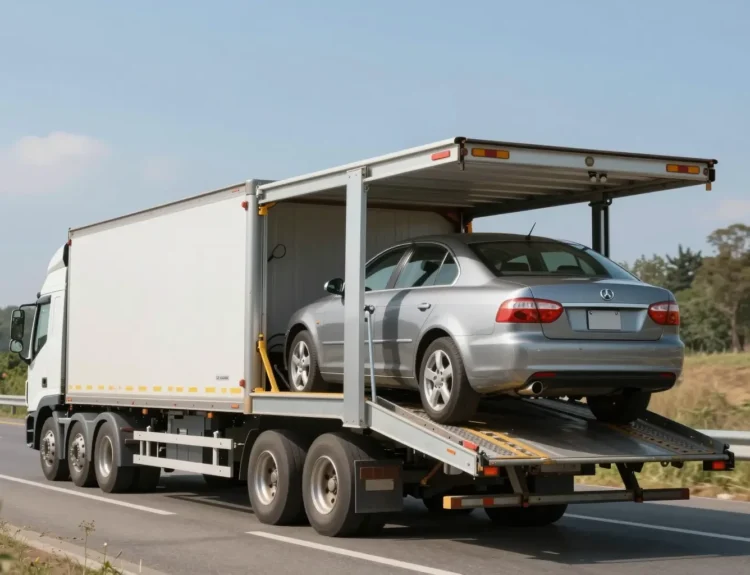
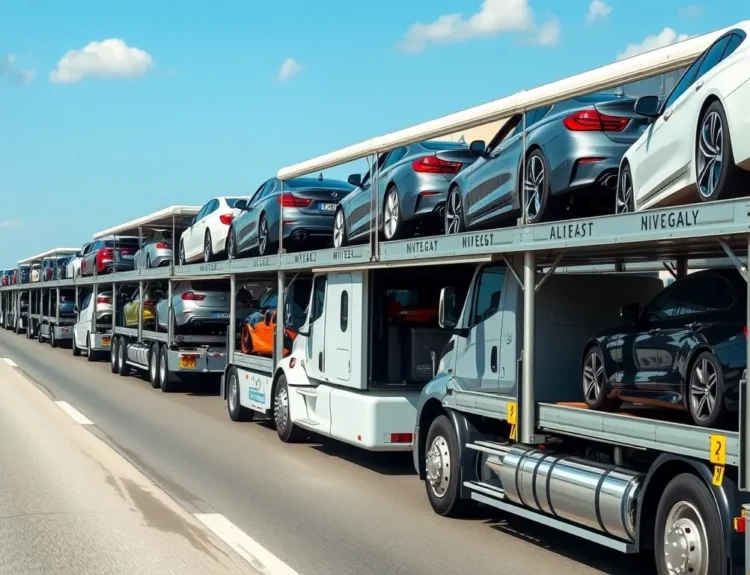
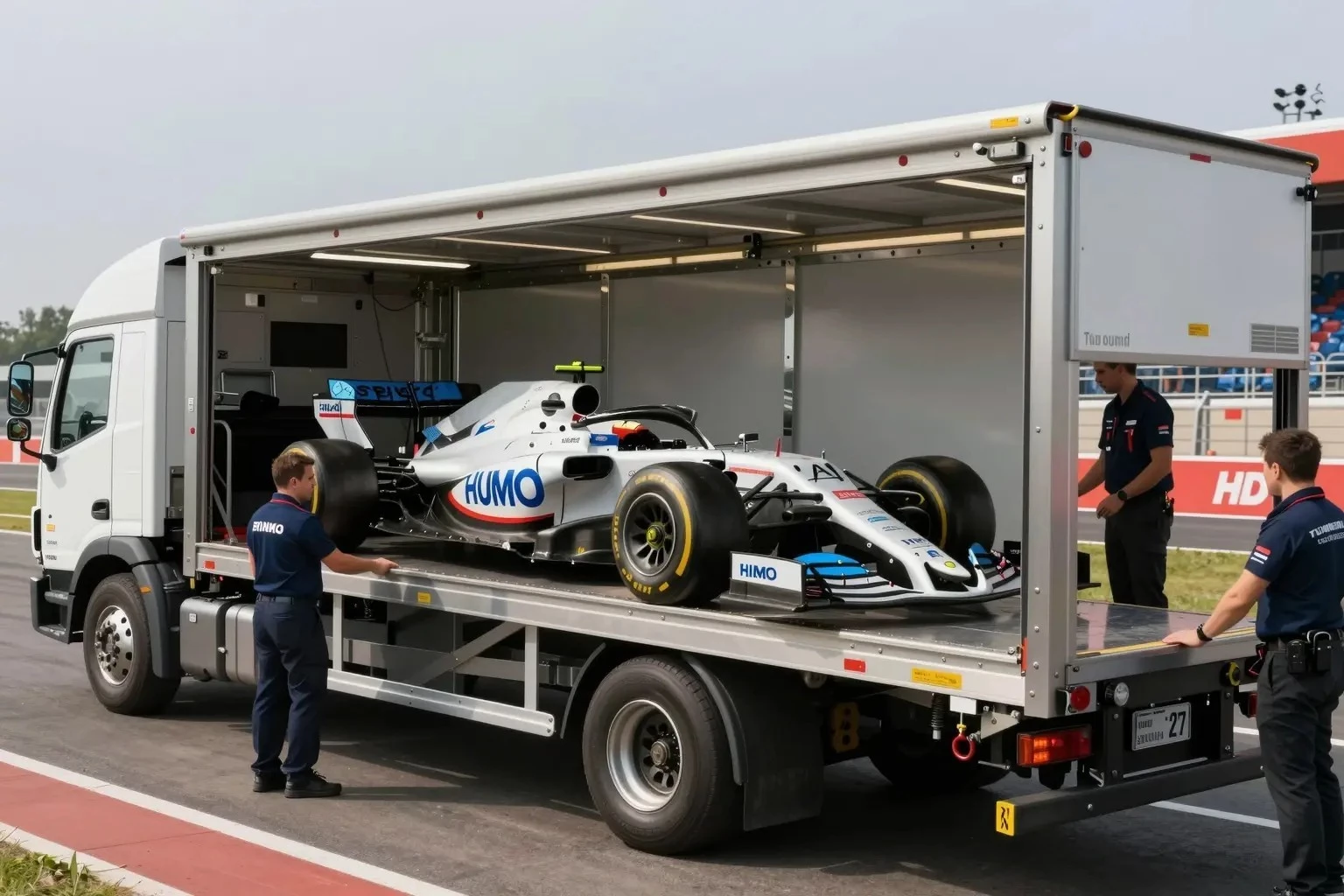
- Road Transportation: Within Europe, many teams rely on road transportation to move their cars and equipment. Specially designed trucks and trailers are used to ensure safe and efficient transport to race circuits.
Team Operations and Coordination
The success of transporting F1 cars hinges on meticulous coordination and planning by team operations. Each team has a dedicated logistics department responsible for managing the travel schedule and ensuring all equipment arrives on time and in perfect condition.
The Process: From Dismantling to Reassembly
Before transportation, F1 cars are carefully dismantled to fit into custom-designed containers. These containers are designed to maximize space efficiency while ensuring the safety of the cars and equipment during transit.
Dismantling and Packing
The dismantling process is a delicate operation. Skilled technicians disassemble the cars into manageable components, taking care to label and organize each part. This ensures that reassembly at the destination is seamless and efficient.
Customs Clearance
Given the international nature of the sport, customs clearance is a critical aspect of F1 logistics. Teams must navigate complex customs regulations to ensure that all equipment passes through smoothly and without delay. This requires detailed documentation and coordination with customs officials at each destination.
Reassembly at the Paddock
Once the equipment arrives at the race circuit, the reassembly process begins in the paddock. This requires precise coordination and teamwork to ensure that every component is reassembled correctly and the cars are ready for practice sessions and the race.
Efficiency and Cost Management
Efficiency is paramount in F1 logistics; The ability to quickly move from one race to another without compromising the performance of the cars is a key competitive advantage. Teams invest heavily in logistics to optimize their transportation processes and minimize costs.
Cost Considerations
Transporting F1 cars is an expensive undertaking. Teams must balance the cost of transportation with the need for speed and reliability. Air cargo is more expensive but necessary for tight schedules, while sea freight offers savings for less time-sensitive shipments.
Innovations in F1 Logistics
The ongoing quest for efficiency has led to innovations in F1 logistics. From lightweight materials in packaging to advanced tracking systems, teams continually seek ways to improve their logistics operations and reduce environmental impact.
The Race Calendar and Travel Schedule
The F1 race calendar dictates the travel schedule for teams. With races held in diverse locations worldwide, teams must meticulously plan their logistics to ensure they meet the demands of the calendar. This involves coordinating with freight companies and ensuring all logistics are in place well in advance.
International Coordination
International coordination is a critical component of F1 logistics. Teams must work with local authorities, freight providers, and race organizers to ensure a smooth transition from one race to the next. This involves extensive planning and communication across multiple time zones and languages.
The transportation of F1 cars is a complex and multifaceted operation that requires precision, coordination, and innovation. By leveraging a combination of air cargo, sea freight, and road transportation, teams can efficiently move their cars and equipment between race circuits worldwide. As the sport continues to evolve, so too will the logistics strategies that underpin the success of each race season.