Transporting fish from one location to another can be a daunting task, especially when it involves a car ride. Ensuring the safety and comfort of your aquatic companions requires careful planning and execution. This article will guide you through the essential steps to transport fish in a car effectively, focusing on maintaining water quality, providing adequate oxygen supply, and minimizing stress.
Preparation Before Transport
Before transporting your fish, it’s crucial to prepare both the fish tank and the necessary supplies to ensure a smooth journey.
- Water Quality: Start by cleaning the aquarium and conducting a partial water change to ensure optimal water quality. Test the water parameters to make sure they are safe for your fish.
- Filtration System: Ensure that your filtration system is functioning correctly before the trip. A well-maintained system will keep the water clean and reduce stress on the fish.
- Acclimation Process: Gradually lower the water level in the fish tank to make it easier to catch the fish without causing injury.
Choosing the Right Container
Transporting fish requires the use of secure containers. The right choice of container will depend on the type and size of the fish.
- Fish Bags: For small to medium-sized fish, use fish bags that can be securely sealed. Fill the bags with water from the aquarium and leave some air space for oxygen.
- Secure Container: Use sturdy, leak-proof containers for larger fish. Ensure the container is spacious enough for the fish to move comfortably.
Maintaining Water Temperature and Oxygen
During transportation, maintaining the proper water temperature and oxygen levels is essential to prevent stress and ensure the fish’s survival.
- Water Temperature: Use insulation materials such as towels or thermal bags to maintain a stable water temperature. Avoid exposure to extreme temperatures.
- Oxygen Supply: Use a portable air pump to provide a continuous oxygen supply to the fish bags or containers. This is especially crucial for long travel distances.
Minimizing Stress and Ensuring Safety
Stress reduction is vital for the well-being of fish during transportation. Here are some handling techniques to minimize stress and ensure transportation safety.
- Handling Techniques: Minimize handling by gently transferring the fish into the containers using nets or scoops. Avoid overcrowding to reduce stress.
- Travel Distance: Plan your journey carefully, considering the travel distance and making necessary preparations for stops if required.
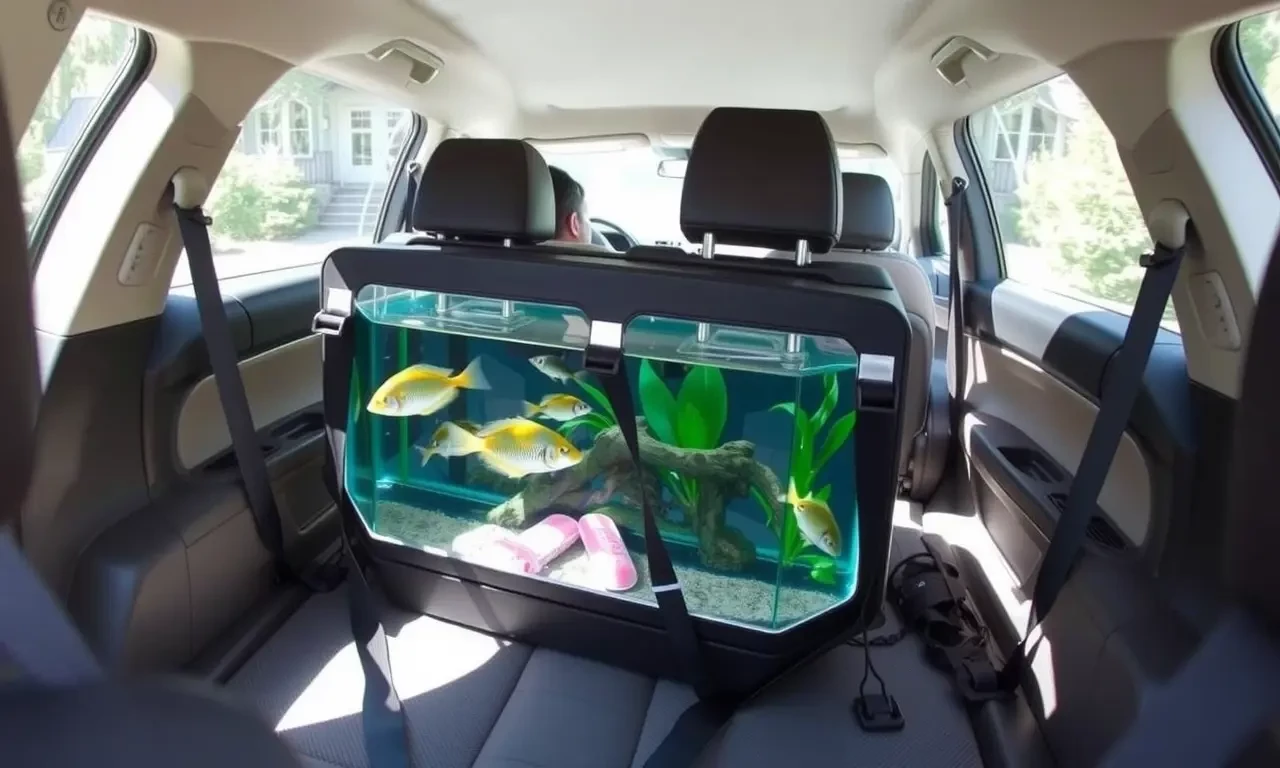
- Transportation Safety: Secure the containers in the car to prevent them from tipping over or moving during transit. Use seat belts or other securing methods.
Post-Transport Acclimation
Once you reach your destination, it’s essential to acclimate the fish to their new environment gradually. Here’s how to do it:
- Acclimation Process: Allow the fish bags or containers to float in the new aquarium for 15-20 minutes to equalize the temperature.
- Gradual Water Mixing: Slowly mix small amounts of new tank water into the fish bags or containers over a period of time to help the fish adjust to any differences in water conditions;
- Monitor for Stress: After releasing the fish into the aquarium, observe them for any signs of stress or illness and take appropriate action if necessary.
Transporting fish by car requires careful attention to detail and a commitment to maintaining the health and well-being of your aquatic pets. By following these guidelines on water temperature, oxygen supply, secure containers, and stress reduction, you can ensure a safe and successful journey for your fish.