Transporting a car by train, also known as rail freight, is a popular choice for those seeking a reliable, efficient, and often cost-effective way to ship their vehicles across long distances. In this article, we delve into the various aspects of car transport via train, including the costs involved, the benefits of choosing this method, and the logistics of the process. By understanding these elements, you can make an informed decision about whether train shipping is the right option for your vehicle transportation needs.
Understanding Car Transport by Train
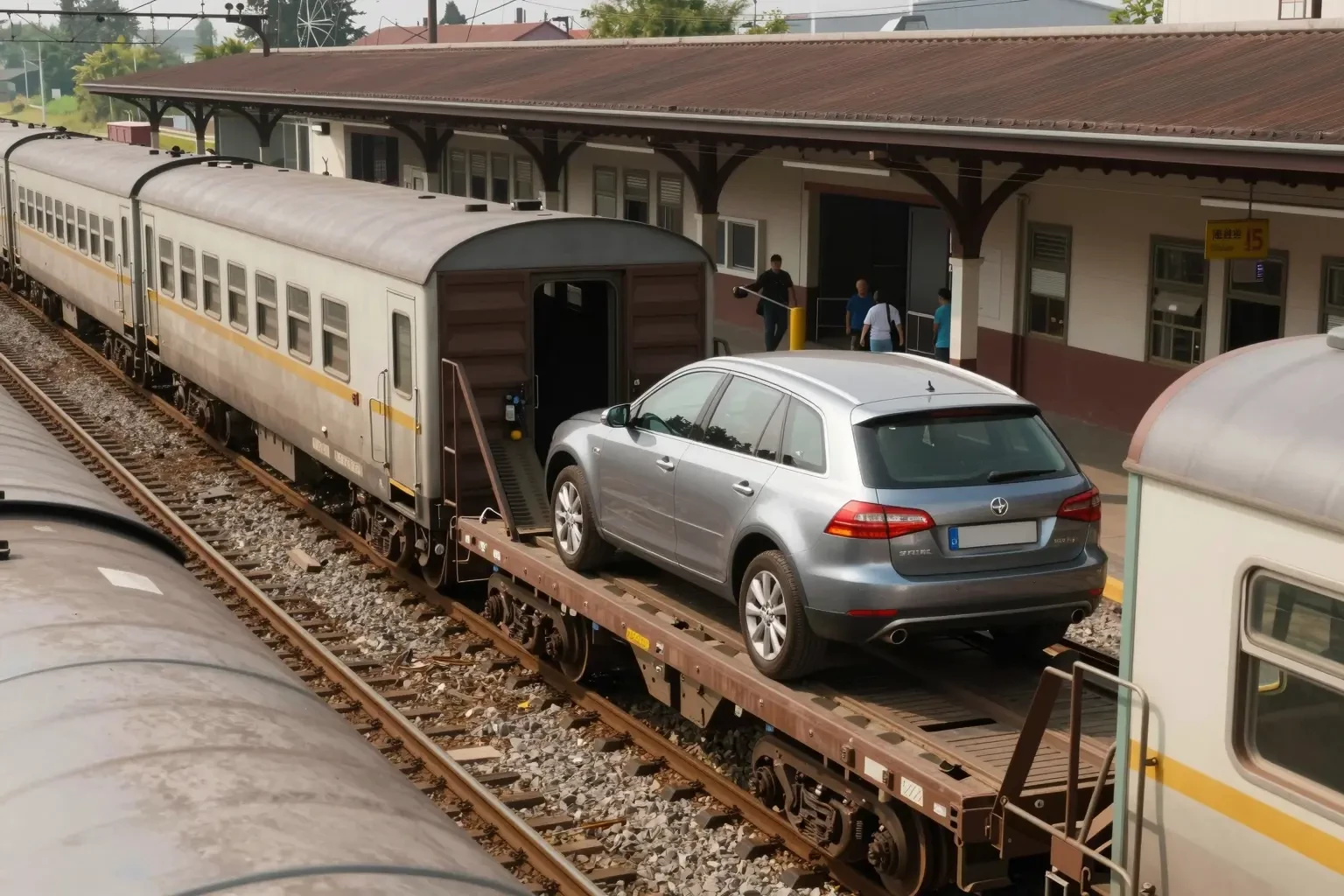
Car transport by train involves loading a vehicle onto a freight train, which then travels to a designated location where the vehicle is offloaded and delivered to its final destination. This method of transportation is particularly popular for cross-country transport, as it offers a practical solution for long-distance vehicle delivery.
The Advantages of Train Shipping
There are several advantages to using train shipping for auto transport:
- Cost-Effectiveness: Compared to other transportation options such as truck or air freight, train shipping can be more economical, especially for cross-country transport.
- Environmental Impact: Trains are generally more fuel-efficient than trucks, resulting in a lower carbon footprint for the transportation process.
- Reliability and Safety: Freight trains are less likely to encounter delays caused by road traffic, weather, or other unforeseen circumstances, making them a reliable option for long-distance transport.
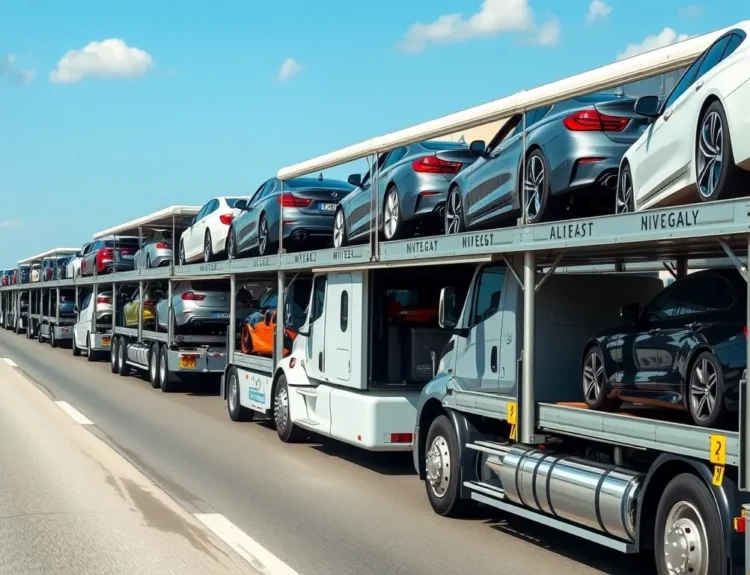
- Capacity: Trains can transport multiple vehicles at once, making them a suitable choice for transporting several cars simultaneously.
Factors Influencing Vehicle Transportation Cost
When considering car shipping services via train, one of the primary concerns is the cost. Several factors can influence the overall vehicle transportation cost:
Distance
The distance between the pickup and drop-off locations is a significant determinant of shipping rates. Generally, the longer the distance, the higher the cost. However, per-mile rates may decrease over longer distances.
Vehicle Size and Weight
Larger and heavier vehicles may incur higher costs due to the additional space and resources required for their transportation. It’s essential to consider these factors when calculating the total cost of rail transport.
Type of Rail Transport
There are two primary types of train transport services:
- Open Transport: Vehicles are transported on open rail cars, exposed to the elements. This option is typically cheaper but may not be suitable for high-end or vintage cars.
- Enclosed Transport: Vehicles are transported in enclosed rail cars, providing protection from weather and debris. This option is more expensive but offers additional security for valuable vehicles.
Additional Services
Some car shipping services offer additional features such as door-to-door delivery, expedited shipping, or vehicle tracking. These services can add to the overall cost but may provide added convenience and peace of mind.
Estimating Shipping Rates for Auto Transport by Train
While it’s challenging to provide exact figures due to the variables involved, here are some general estimates:
- Short-Distance Transport (under 500 miles): Prices can range from $300 to $800.
- Medium-Distance Transport (500-1,000 miles): Expect to pay between $800 and $1,200.
- Long-Distance Transport (over 1,000 miles): Costs can range from $1,000 to $1,500 or more.
Keep in mind that these are estimated rates, and actual costs can vary based on the factors mentioned earlier. It’s advisable to obtain quotes from several transport logistics companies to compare prices and services.
The Logistics of Car Transport by Train
Understanding the logistics involved in car transport by train can help you prepare for the process and ensure a smooth experience:
Choosing a Transport Provider
Selecting the right transport provider is crucial for a successful vehicle delivery. Look for companies with experience in rail freight and positive customer reviews. Ensure they offer the services you need, such as enclosed transport or door-to-door delivery.
Preparing Your Vehicle
Before shipping your car, it’s essential to prepare it for transport:
- Remove personal belongings to prevent damage or theft.
- Disable alarms to avoid unnecessary disturbances during transit.
- Check for leaks or mechanical issues that could affect the transport process.
- Document any existing damage with photos for insurance purposes.
Booking the Shipment
Once you’ve chosen a provider and prepared your vehicle, it’s time to book the shipment. Provide the necessary details, such as pickup and drop-off locations, vehicle specifications, and preferred transport type.
Tracking and Delivery
Many transport providers offer tracking services that allow you to monitor your vehicle’s progress throughout the journey. Once the car arrives at the destination, inspect it for any damage and verify that it matches the documented condition prior to transport.
Car transport by train is a viable and often cost-effective solution for those needing long-distance vehicle delivery. By understanding the factors influencing vehicle transportation cost, the logistics involved, and the benefits of train shipping, you can make an informed decision that meets your needs and budget. Whether you’re moving across the country or purchasing a vehicle from afar, rail transport offers a reliable option for getting your car where it needs to go.