When considering auto transport, understanding the various factors that influence vehicle shipping costs is crucial․ The cost to transport a car involves numerous elements, including the choice of car carriers, transportation cost, shipping rates, and other logistical considerations․ This article will explore these factors in detail, providing a comprehensive guide to help you estimate the costs involved in vehicle transportation․
Factors Affecting Transportation Cost
Several factors determine the cost of auto transport․ These include:
Distance
The distance between the pickup location and delivery location is a primary factor․ Generally, the longer the distance, the higher the transportation cost․ However, the cost per mile often decreases with longer distances․
Vehicle Type
The type of vehicle being shipped affects the cost․ Larger and heavier vehicles typically cost more to transport due to increased fuel consumption and space requirements on the carrier․
Transport Method
There are two main transport methods:
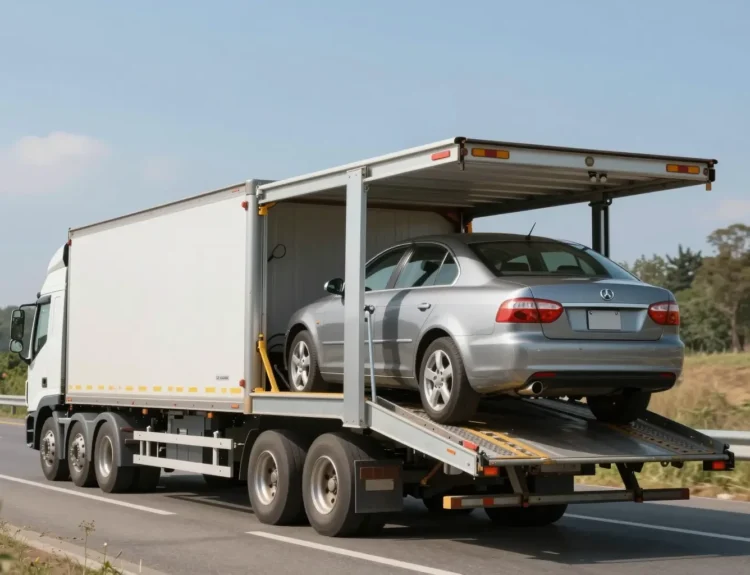
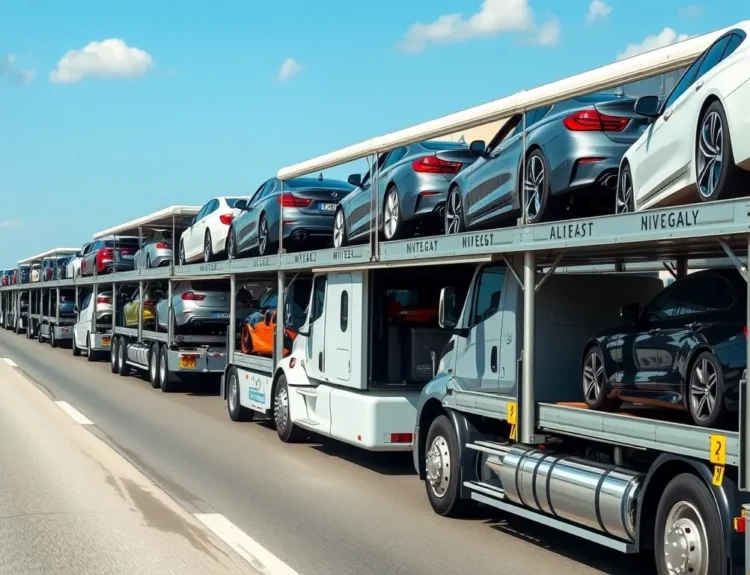
- Open Carrier: The most common and cost-effective option, where vehicles are transported on an open trailer․
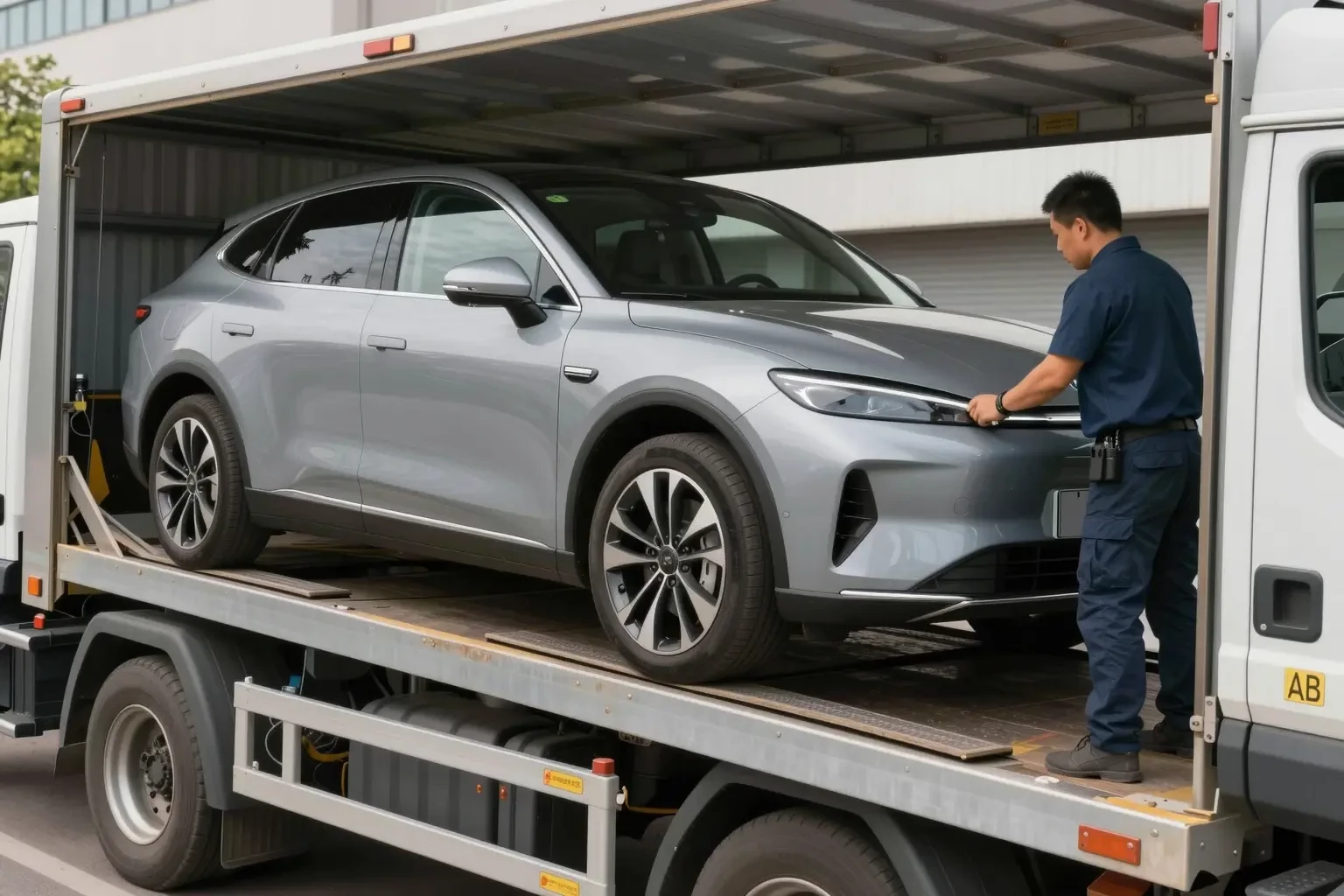
- Enclosed Carrier: Provides additional protection against weather and road debris, suitable for high-value or classic cars, and usually costs more than open carriers․
Seasonal Demand
Shipping rates can fluctuate based on seasonal demand․ For example, prices may rise during peak times, such as summer months or around holidays․
Fuel Costs
Fuel prices can significantly impact transportation cost․ Higher fuel costs generally translate to higher shipping rates․
Insurance Coverage
Transport companies often provide insurance coverage for the vehicles they ship․ The level of coverage can affect the overall cost․ It is essential to verify what is included in the basic coverage and consider additional insurance if needed․
Expedited Shipping
If you require faster delivery, expedited shipping services are available at a premium․ This ensures your vehicle is prioritized and delivered sooner;
Understanding the Booking Process
The booking process for car transportation involves several steps:
- Research and select a reputable transport company based on customer reviews and services offered․
- Request a price estimate considering the distance, vehicle type, and preferred transport method․
- Confirm the pickup location and delivery location details․
- Choose between open or enclosed carrier options based on your needs and budget․
- Schedule the timing that aligns with your plans, keeping in mind that flexibility can often lead to lower costs․
- Finalize the booking and prepare your vehicle for transport․
Logistics and Route Planning
Transport companies use sophisticated logistics and route planning to optimize their services․ Factors such as mileage, weight, and timing are carefully considered to ensure efficiency and cost-effectiveness․ Whether it’s cross-country, regional transport, or international shipping, experienced logistics teams work to minimize detours and delays․
Estimating Price: Key Considerations
When estimating the price of auto transport, consider these key aspects:
- Mileage: Longer distances generally come with lower per-mile costs, but the total cost will be higher․
- Weight: Heavier vehicles may incur additional charges․
- Timing: Flexibility in pickup and delivery dates can sometimes reduce costs․
- Route Planning: Direct routes are often cheaper than those requiring multiple stops or traversing difficult terrain․
The cost of car transportation is influenced by a myriad of factors․ By understanding the nuances of vehicle shipping, including the choice of transport method, seasonal demand, and logistics, you can make informed decisions and manage your transportation costs effectively․ Always consider obtaining multiple quotes from different transport companies to ensure you receive the best deal possible․ With careful planning and consideration of the factors outlined, you can successfully navigate the process of auto transport․